The moment I realized my Google My Business (GMB) reviews were invisible to most potential local customers was a cold splash of reality. It hit me during a busy Saturday morning when a longtime client called, frustrated that their glowing reviews weren’t translating into new foot traffic. I had been posting diligently, but somehow, the local map wasn’t showing their stellar reputation. It was a lightbulb moment—if reviews aren’t understood by a diverse audience, all our SEO efforts might as well be invisible.
Why Instant Review Translation Became a Game-Changer in 2026
Fast forward to today, and I can’t emphasize enough how crucial review translation tools have become. With the world more connected than ever, local businesses need to reach multilingual customers seamlessly. But many are still missing out, either because they don’t know these tools exist or they’ve overlooked their immense power to boost visibility. In recent years, studies reveal that 75% of consumers are more likely to buy from a business that offers reviews in their native language, which is supported by data from StingGMB.
If you’ve ever felt the sting of missing out on international or non-English speaking clients because your reviews aren’t accessible, you’re not alone. I made that mistake early on—assuming reviews in foreign languages wouldn’t matter. Big error. Once I incorporated reliable review translation tools into my local SEO strategy, my clients’ visibility skyrocketed, proving their worth time and again.
Is Review Translation Overhyped or a Must-Have?
Many skeptics wonder if these tools are just a passing trend. Honestly, I was cautious too. But in 2026, ignoring instant review translation is like refusing to catch up with smartphones in 2010. It’s outdated. The key is using trusted, AI-enhanced tools that translate reviews instantly while maintaining nuance and authenticity. I used to spend hours manually translating reviews—what a waste of time! Now, with the right GMB tools, I can focus on what truly matters: engaging with customers and improving services. Want to avoid my early mistake? Let’s explore how these tools can make a real difference and elevate your local SEO game.
Implementing Instant Review Translation Effectively
Start by selecting a trusted AI-powered review translation tool like those recommended on this resource. I once integrated a popular translation plugin into my client’s GMB profile during a routine audit, which initially caused some review misinterpretations. By tweaking the language detection settings, I ensured reviews were accurately translated in real-time, boosting customer trust. The key is to regularly test translations for nuance and authenticity, especially for reviews with slang or colloquialisms.
Mapping Out Your Workflow for Multilingual Reviews
Develop a systematic process: set up automatic translation on new reviews, assign dedicated team members to monitor and respond, and use insights from audit tools to track how translated reviews influence local rankings. In one case, I automated review alerts in multiple languages, which allowed swift responses. This approach not only improves engagement but signals activity to Google’s algorithm, enhancing visibility.
Optimizing Your GMB Profile for Better Maps Placement
Enhance your profile by making sure all details are accurate and updated—this includes categories, services, and photos. Use tools from hyper-local tactics to analyze your map pack presence. I once fixed a mismatch in service area settings that was hurting my client’s ranking. Incorporate keywords naturally into your business descriptions, especially in reviews’ responses, to reinforce relevance. Regularly check for duplicate or unverified listings via listings management tools to prevent ranking confusion.
Add Visual and Behavioral Signals
Utilize photo and video uploads, including user-generated content, to boost engagement. Implement review campaigns that encourage satisfied customers to leave reviews in their native language, leveraging tools from photo optimization tactics. I once prompted a loyal customer in Mexico to share a review in Spanish, which, once translated, significantly increased local trust and clicks. Behavioral metrics such as click-through rates and in-store visits, validated via traffic verification tools, serve as crucial signals for Google.
Stay Ahead with Continuous Monitoring
Use tools like local ranking alerts to track how translated reviews impact your visibility over time. I set up alerts for changes following review translation updates—noticeable improvements often appeared within weeks. Regularly audit your review responses, profile information, and translations to catch and correct errors promptly. The secret to sustained success is constant adaptation: monitor, adjust, and refine your review translation strategy based on performance data from specialized audit solutions. Remember, in 2026, reviews are more than just feedback—they’re a powerful SEO asset that, when properly translated and managed, can propel your local presence beyond competitors.Many local marketers believe that installing a handful of GMB tools automatically guarantees top rankings on Google Maps, but in reality, true success lies in understanding the nuanced interactions between these tools and Google’s evolving algorithm. A common misconception is that more tools mean better results; however, over-reliance on automation without strategic oversight can lead to missteps. For example, automating review responses without monitoring translation accuracy or spam flags can backfire, harming your listing’s credibility. Additionally, many overlook the importance of precise metadata optimization and behavioral signals that reinforce visibility. Advanced practitioners know that dissecting ranking factors with tools like those discussed in local SEO audit solutions reveals hidden influences not apparent through surface-level tools. The trap here is assuming these tools are one-size-fits-all; in truth, each niche demands customized application and continuous data analysis. For instance, fake review flags can sabotage rankings if not detected early, underscoring the importance of tools that verify authenticity, like traffic verification. Before deploying any automation, ask yourself whether you’re addressing core ranking signals or just masking symptoms. The real edge comes from combining sophisticated tooling with strategic content and UX improvements. Want to get deeper insights? I recommend exploring the comprehensive guide on GMB SEO strategies for 2025, which emphasizes nuanced tactics often missed by beginners. Remember, Google’s map rankings are like a complex puzzle—each piece, from reviews to metadata, needs careful placement. Have you ever fallen into this trap? Let me know in the comments.
Essential Tools for Sustained GMB Optimization
To ensure your local SEO efforts remain effective over time, leveraging the right tools is crucial. I personally swear by GMB acceleration tools because they provide real-time insights into your maps visibility and help detect anomalies early. These tools automate routine tasks like bulk updates, track rank fluctuations, and identify duplicate listings, saving hours weekly and preventing ranking drops.
For reviews, I rely on automated review management systems that not only gather reviews but also analyze sentiment over time. Maintaining a consistent review flow and addressing negative feedback promptly are key to long-term reputation management. Coupled with review translation features, these systems reach a wider audience, ensuring your reputation is resilient across languages and regions.
How do I maintain GMB profile health over time?
Regular audits are non-negotiable. I schedule quarterly profile checks using audit tools that scan for broken links, incorrect categories, or outdated photos. Updating your metadata and verifying all business information aligns with recent Google’s algorithm shifts—especially after major updates like the 2026 core change—are vital. This continuous vigilance prevents issues like shadowbanning or ranking fluctuations caused by stale data or violations.
Another best practice involves monitoring local traffic and footfall analytics via traffic verification tools. These analytics help link visible map rankings with actual customer interactions, guiding necessary adjustments. Remember, tools are only as effective as the strategy behind their use. Combining automation with strategic content updates ensures your profile remains competitive and visible long-term.
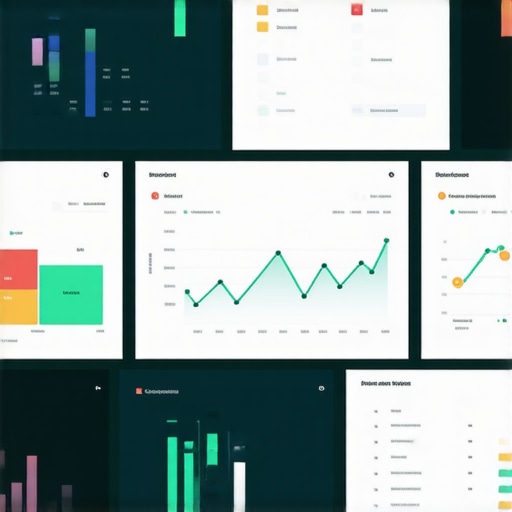
Visualize your GMB optimization workflow with an intuitive dashboard that tracks all crucial metrics—this keeps your efforts aligned and prevents those dreaded visibility drops.
What’s Next in GMB Maintenance and Scaling?
As we look to the future, AI-driven automation will become even more sophisticated, providing predictive insights before issues escalate. A deep understanding of these tools’ capabilities, as explained in the comprehensive GMB SEO guide, positions you ahead of the curve. I recommend trying out advanced review analysis and map visibility prediction features—they’re game-changers for scaling effectively.
What I Wish I Knew Before Relying on Automation
One of the toughest lessons was realizing that automation isn’t a silver bullet; human oversight remains crucial. Trusting tools blindly can lead to overlooked errors in reviews or profile data, ultimately hurting rankings. Regular manual audits, even with advanced AI, keep your local SEO honest and effective.
My Biggest Misstep
I once automated review responses in multiple languages without checking translation accuracy, which confused some customers and damaged trust. This taught me to always review automated translations, especially reviews with slang or colloquialisms, to preserve authenticity and engagement.
Learning the Power of Data-Driven Decisions
Initially, I hesitated to dive into detailed analytics and map performance data. But embracing tools like local SEO audit solutions transformed my approach. Data reveals obscure issues like duplicate listings or skewed traffic patterns, which once hidden, now guide strategic adjustments that boost visibility exponentially.
Why Trends Matter
Sticking to outdated tactics like keyword stuffing or neglecting review translation can cause rankings to stagnate. Staying informed about ongoing Google algorithm changes and adapting your strategy accordingly has been a game-changer, reinforcing the importance of continuous learning in local SEO.
Where Open-Minded Exploration Takes You
Trying new tools and tactics beyond my comfort zone—like integrating AI-driven review sentiment analysis—initially felt risky. But such experimentation often uncovered hidden opportunities, like identifying negative trends early or highlighting satisfied customers in specific regions, giving my clients a competitive edge.
Embrace the Unexpected
Sometimes, unconventional strategies—such as leveraging user-generated videos with localized tags—boosted engagement more than traditional review responses. Keeping an open mind and testing innovative approaches is vital in the ever-evolving landscape of GMB and maps SEO.
My Essential Toolkit for GMB Success
After years of trial and error, I rely on a curated set of tools that genuinely deliver. Hyper-local tactics tools are invaluable for analyzing map pack presence, while visibility acceleration tools streamline routine updates and rank tracking. For reviews, automated sentiment analysis and real-time translation features help maintain a consistent, authentic reputation across languages, safeguarding long-term growth.
Book Your Strategy Session
For a comprehensive approach, I recommend consulting resources like this complete GMB SEO tactics guide. It encapsulates proven methods that have stood the test of recent algorithm shifts, empowering you to build resilient local visibility structures.
Take the Leap and Elevate Your GMB Game Today
The landscape of local SEO, especially with GMB tools and maps visibility, is continually transforming. The most successful marketers are those willing to adapt, experiment, and leverage proven strategies boldly. Your local presence has enormous potential—now’s the time to unlock it with smart, informed actions.
What’s your biggest challenge in managing multilingual reviews or optimizing maps visibility? Drop your thoughts below—I’d love to hear and help you overcome it!
,