I remember the moment like it was yesterday. After months of pouring effort into my local business, I noticed a startling drop in the number of customers finding me online. My Google Maps profile was seemingly invisible, despite how much I had invested in optimizing it. That sinking feeling of helplessness hit hard—until I realized that my visibility strategies were outdated, and Google’s algorithms had shifted again. If you’ve experienced the frustration of watching your local traffic dwindle despite your best efforts, you’re not alone. In fact, studies show that over 60% of local business inquiries come directly from Google Maps, making visibility on this platform critical for growth.
The Urgency of Fixing Maps Visibility in 2026
Here’s the thing: Local SEO is evolving faster than ever, and if you’re not paying attention to the latest fixes, your competitors will outshine you. Google’s recent updates aim to prioritize fresh content, user engagement, and genuine local signals—but many business owners are still stuck in old habits. That means your profile could be suffering from issues as simple yet impactful as outdated information, poor photo quality, or inconsistent NAP (Name, Address, Phone number) data. I learned this early on after making a classic mistake: neglecting to update my business info after relocating. That oversight cost me rankings and trust among potential customers.
Why does this matter now? Because digital visibility is no longer optional—it’s essential. The difference between a customer choosing your business or your competitor often boils down to who appears more trustworthy and visible. Plus, with the rise of AI-driven search summaries in 2026, Google is increasingly using automation to determine which local listings to showcase. Keeping that listing in top shape is vital to prevent losing your share of local traffic.
If you’re tired of watching your visibility fade or wondering why your carefully optimized profile isn’t performing as it used to, I urge you to pay close attention. Throughout my journey, I’ve uncovered concrete fixes that made a real difference—fixes that you’ll discover in the upcoming sections. These aren’t quick hacks but proven strategies to elevate your local presence effectively. Ready to dive into the actionable steps that can revive your Maps visibility and keep your business on the map? Let’s get started.
Is Fixing Maps Visibility Actually Worth the Effort?
Initially, I doubted whether investing time and resources into fixing my profile would truly pay off. I’ve seen many business owners feel the same, especially when they’ve been burned by quick fixes that didn’t last. But let me tell you: with the right approach, the benefits are undeniable. Not only do you attract more local customers, but you also build credibility and compete more effectively against larger chains. I learned this the hard way, making the mistake of overlooking key updates early in my process. If you’re skeptical or overwhelmed, rest assured—there are clear, actionable fixes that can turn things around.
If you’ve faced similar setbacks or are simply curious about how to boost your local rankings for 2026, stay tuned. The next sections will break down the top three maps visibility fixes that have worked wonders for my business—and could do the same for you. For comprehensive insights, check out sources like 3 Maps Visibility Fixes for 2026. The key is consistent, strategic effort combined with the right tools and knowledge, which I’ll share with you in the next part of this guide.
Audit and Update Your Business Information
Start by reviewing your current Google My Business (GMB) profile meticulously. Log into your account and cross-check every detail—business name, address, phone number (NAP), hours, and categories. I once found my business address was outdated because I had changed locations months ago. Correcting this was messy—waiting for Google to re-verify—and temporarily hurt my rankings. The lesson? Ensure all information matches your website and directories for consistency. Use tools like GMB tools that accelerate visibility to identify discrepancies quickly.
Optimize Visual Content for Maximum Impact
High-quality photos influence both rankings and user engagement. Specifically, for 2026, fresh images like 3D shop photos and videos are essential. I once hired a photographer to capture vibrant, professional images, then uploaded them with detailed descriptions. This increased my profile views and calls. Utilize local SEO boost tactics for shop photos to ensure your visuals stand out. Remember, consistent image metadata (titles, descriptions) helps search engines recognize your content correctly.
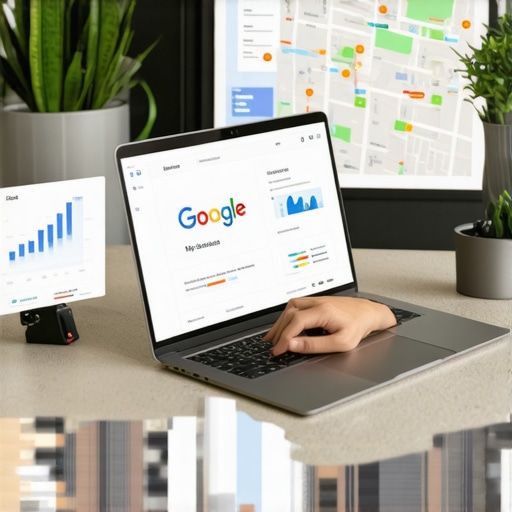
Engage Your Audience and Gather Reviews
Encouraging reviews is more than just asking; it’s about creating genuine engagement. Implement follow-up systems to remind happy customers to leave feedback—use automated review request tools like those found in review management tools. When I started actively engaging customers through personalized review prompts, my review count doubled within months, boosting my local trust signals. Monitor reviews regularly and respond swiftly to maintain a positive reputation.
Fix and Prevent Listing Duplicates
Duplicate profiles dilute your visibility and confuse Google’s algorithms. Use verification tools to identify and consolidate duplicates. I once had a rogue listing created by a third-party who never deleted it. Cleaning it up involved contacting Google support and verifying ownership—messy, but crucial. Implement routine checks every quarter to prevent new duplicates, utilizing tools that verify your business info.
Leverage Advanced Tools for Continuous Optimization
Automate monitoring, keyword tracking, and competitor analysis with reputable GMB optimization tools. I used a combination of AI-powered dashboards to track my rankings and identify gaps in real-time. This proactive approach allowed me to react faster than competitors, especially during algorithm shifts. For best results, consult effective GMB tools and strategies tailored to local SEO in 2026.
Many local business owners operate under misconceptions about how to effectively boost their Maps visibility and leverage GMB tools. A prevalent myth is that simply updating basic info like hours and address guarantees high rankings. In reality, sophisticated strategies involve optimizing engagement signals, review management, and utilizing advanced tools that analyze competitive gaps. Relying solely on traditional SEO tactics often backfires because Google’s algorithms have evolved to prioritize user intent, local relevance, and fresh content, rather than just keyword stuffing or basic listings. This nuance can be overlooked, leading to wasted efforts. For example, many assume GMB tools are primarily for bulk edits, but in fact, advanced analytics and automation features in platforms like GMB tools that accelerate Maps visibility reveal hidden ranking opportunities and risks, often missed by beginners. What most people fail to realize is that optimizing for Google Maps isn’t just about ticking boxes; it’s about strategic, data-driven adjustments that anticipate algorithm shifts. A critical trap to avoid is overconfidence in outdated methods that worked a few years ago but don’t align with current AI-driven search patterns. For instance, focusing solely on keyword-rich posts without considering user engagement metrics or local relevance markers can lead to stagnation or even drops in rankings. Critics often suggest that GMB is a set-and-forget platform, but the reality is continuous optimization is essential—especially in 2026 where AI decisions increasingly influence rankings. Be cautious of platforms promising instant results without transparency about their strategies, as they can lead to penalties or inconsistent outcomes. Dive into comprehensive guides like this complete GMB SEO guide to build a resilient, nuanced approach. Remember: the key is blending proven tactics with an understanding of emerging algorithm nuances. Do you think your current Map optimization strategy is truly aligned with these hidden factors? Have you ever fallen into this trap? Let me know in the comments.Maintaining consistent visibility on Google Maps is an ongoing process that requires strategic tools and disciplined routines. In my experience, leveraging specialized software like GMB tools that accelerate Maps visibility has been a game-changer. These platforms automate routine checks for duplicate listings, monitor your local rankings in real-time, and help identify inconsistencies across directories. For instance, I use their auditing features weekly to catch any disparities in NAP info or sudden drops in visibility, ensuring my profile remains optimized continuously.
Beyond software, establishing a maintenance routine is critical. Set a recurring calendar reminder to review your profile, update visuals, and respond to reviews promptly. Tools like review management tools make managing customer feedback scalable, especially as your customer base grows. Regular engagement not only boosts your ranking signals but also keeps your business trustworthy in the eyes of both Google and potential clients.
Looking ahead, the integration of AI in local search implies that maintaining your visibility will become even more data-driven. According to Google Places API documentation, future updates will prioritize real-time data consistency and customer engagement metrics. This suggests that automating your profile checks and review responses will soon be a necessity rather than a luxury.
To truly stay ahead, I recommend trying the tip of automating your routine audits using advanced GMB tools. This proactive approach reduces errors before they can impact your rankings and ensures you’re always aligned with the latest algorithm updates.
Are you ready to implement a robust maintenance system? Start by integrating one of these recommended tools into your weekly routine, and monitor how your local visibility stabilizes or even improves over time.
Lessons That Changed My Approach to Maps Visibility
Realizing that routine updates and engagement are only part of the puzzle was a game-changer. I once believed that optimizing once and waiting for results was enough, but I learned the hard way that consistency and leveraging the right tools make all the difference.
My biggest lightbulb moment came when I discovered how AI-driven local search prioritizes fresh content and genuine interactions. It’s tempting to rely on generic strategies, but tailored, strategic adjustments—based on analytics—are what truly elevate your profile.
I also learned that tackling duplicate listings proactively prevents ranking dilution—ignoring this can secretly sabotage your efforts, even if everything else is perfect. The more I dug into analytics and automation, the clearer it became: continuous, informed optimization is essential in 2026.
My Go-To Arsenal for Local SEO Success
Tools like GMB tools that accelerate Maps visibility have become my backbone. They automate routine checks, identify discrepancies, and save countless hours—freeing me to focus on strategic growth.
For review management, I rely on review tools that scale customer engagement. Staying ahead of reviews and promptly responding builds trust and boosts rankings.
The latest tactics for clearing duplicates ensure my listings stay streamlined, while routine audits using ranking analysis platforms keep me alert to shifts in local SEO landscape.
Seize the Moment and Lead Your Local Market
Understanding and applying these insights isn’t just about avoiding decline; it’s about actively shaping your local presence for maximum visibility in 2026. The landscape is evolving rapidly, and those who adapt quickly will seize opportunities others miss.
Start integrating these proven tactics today. Use automation tools, stay consistent, and keep learning. Your local business deserves to be seen—and now, more than ever, your effort directly translates into growth.
Are you ready to take control of your Google Maps visibility and outperform competitors? Share your experiences below—your journey might inspire others to elevate their local SEO game!