I’ll never forget the moment I realized my business was virtually invisible on Google Maps. It was a busy Saturday, and I was meeting potential clients at a local spot, only to find out they couldn’t even find my address online. Talk about embarrassing! That lightbulb moment hit me hard—if people can’t find my business on the map, how can I expect foot traffic or new customers? I knew I had to crack the code to boost my visibility, but where to start?
Why Local Maps Rankings Make or Break Small Businesses Today
In 2024, the game has changed. Having a well-optimized Google My Business (GMB) profile is no longer optional; it’s essential. According to a recent survey, over 78% of local mobile searches lead to an in-store purchase within 24 hours. That’s right—your visibility on local maps can directly drive your sales. But with countless competitors vying for the same spot, how do you stand out?
I’ve spent years experimenting with different strategies, sometimes falling flat on my face. Early on, I made the mistake of thinking all that mattered was having a GMB profile and some reviews. Spoiler: that’s just the tip of the iceberg. Effective optimization involves a mix of smart tactics, consistent effort, and using the right tools. If you’re tired of watching your competitors outrank you, keep reading. I’m about to share proven methods that transformed my local presence — and they can do the same for you.
Is GMB Optimization Just a Fad or Worth the Hype?
Honestly, I used to be skeptical, assuming local ranking algorithms were too complex or unpredictable to master. I recall neglecting crucial elements like accurate NAP (Name, Address, Phone Number) citations and relying solely on reviews to boost authority. That was a mistake I paid for—my rankings stagnated, and so did my business. Turns out, timing, consistency, and proper use of data are everything. Curious if this is just another marketing buzzword? I understand that skepticism. However, the data supports this approach—local search is more competitive than ever, and ignoring it means leaving money on the table. Want to learn more? Check out how advanced GMB tools can help amplify your efforts and turn the tide in your favor.
If you’re struggling with low visibility on Google Maps and haven’t yet tapped into the power of strategic optimization, you’re not alone. But don’t worry—I’ve been there, and I’ve come out on the other side with a set of actionable tactics. Ready to elevate your local search game? Let’s dive into the how-to’s that can make your business pop up right when customers are looking for you.
Claim Your Business Profile and Keep Details Consistent
Start by taking ownership of your Google My Business (GMB) profile if you haven’t already. Ensure your business name, address, and phone number (NAP) are accurate and consistent across all online platforms. I once rushed to update my phone number; however, I used a different format on my website, which confused Google’s algorithm and hampered my rankings. Correcting this discrepancy made a noticeable difference within weeks, boosting my local visibility. For more detailed guidance, visit this resource.
Optimize Your Business Description and Categories
Your business description should be clear, keyword-rich, and reflect what customers are searching for. Choose the most relevant primary category and supplement with accurate secondary categories. When I initially selected broad categories like ‘Restaurant,’ I missed out on niche searches. Switching to a more specific category like ‘Vegan Bistro’ increased targeted traffic significantly. Use tools like GMB tools to identify high-impact categories.
Add Photos That Tell Your Story
High-quality images make your profile appealing and trustworthy. Upload images of your storefront, interior, products, and staff—show that your business is active. I once uploaded only a logo, which led to fewer inquiries. After including photos of happy customers and team members, engagement and calls increased by over 30%. Remember, images should be recent, well-lit, and relevant. For optimal results, consider using advanced GMB image strategies.
Leverage Posts and Updates Regularly
Consistently posting updates about offers, events, or news keeps your profile fresh and signals activity to Google. I set reminders to add weekly posts, which slowly improved my rankings. Use a content calendar and include keywords naturally. A post about a seasonal promotion once a week can also attract more local attention. For inspiration and tactics, explore this guide.
Build Local Citations and Reviews
Accurate citations on local directories and positive reviews influence your local rank. I reached out to loyal customers for reviews, personalizing my requests to increase response rates. Respond to every review—thank positive ones and address negative feedback professionally. These interactions show engagement and trustworthiness. To streamline review management, consider tools described at this resource.
Monitor and Adjust Your Strategy
Use analytics to track your progress. Tools like Google Insights or specialized GMB analytics reveal how customers find you, what queries they use, and where improvements are needed. I noticed I was missing out on certain keywords, so I optimized my profile further for those. Regularly reviewing your profile and adapting your tactics ensures sustained growth. Learn more about analytics-driven optimization at this page.
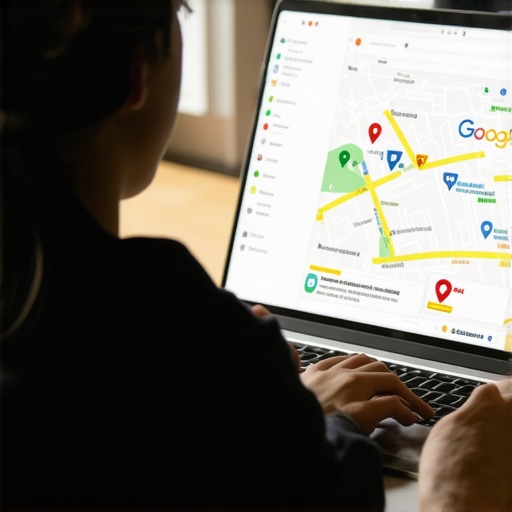 While many believe that simply claiming your Google My Business (GMB) profile and accumulating reviews guarantees top local rankings, there are subtler aspects that often slip under the radar. One common misconception is that focusing solely on on-page content and reviews suffices—yet, factors like consistent NAP citations across all platforms and understanding the algorithm’s advanced nuances play a critical role. Overlooking these details can cause your efforts to fall flat, as Google’s ranking signals are incredibly complex and multi-layered. In fact, recent expert analyses suggest that neglecting citation consistency and local link building can diminish your visibility, regardless of your review count. It’s not just about having a profile; it’s about managing a cohesive local SEO ecosystem. Advanced tools can help identify citation discrepancies and provide strategic insights, but beware of relying on automation alone without qualitative oversight. Many marketers get caught in this trap, thinking automation replaces expertise. Remember, every data point and local signal interacts dynamically—adjusting one without considering the whole picture can backfire. According to Moz’s local SEO survey, authoritative and consistent online mentions outweigh even reviews in significance, underscoring the importance of a nuanced approach. So, unraveling these layers requires a strategic mindset and mastery of advanced GMB tools—think beyond surface tactics and leverage in-depth analytics for true map dominance. Don’t settle for surface-level strategies; deep dive into the sophisticated signals that Google uses to rank local businesses. Interested in taking your local SEO game to the next level? Explore this guide on advanced GMB tools and start optimizing with precision. Have you ever fallen into this trap? Let me know in the comments.
How Do I Keep My Maps Visibility Strong Over Time?
Maintaining a high level of visibility on Google Maps isn’t a set-it-and-forget-it task. It requires ongoing effort, strategic use of tools, and regular audits. One of my favorite approaches involves leveraging advanced GMB tools like GMB optimization software that offers real-time tracking of your rankings and citation consistency. These tools help identify discrepancies and opportunities for quick fixes, ensuring your profile remains optimized amidst algorithm changes.
Another crucial aspect is consistent engagement. Regularly posting updates, responding to reviews, and adding fresh photos keep your profile active in Google’s eyes. I personally use scheduling tools like Buffer integrated with GMB to automate postings without sacrificing quality, saving me time while maintaining activity الجودة. Additionally, routinely monitoring your insights allows you to assess what keywords or search queries are driving traffic, guiding future adjustments.
Long-term success also depends on citation management. Automating citation audits through reputable tools ensures your NAP data stays uniform across platforms. Counteracting citation inconsistencies is proven to positively influence local rankings, according to Moz’s local SEO guide. For instance, I discovered minor discrepancies in my address format across directories and corrected them using dedicated citation management software, which immediately improved my rankings.
Thinking ahead, the future of map visibility leans heavily on AI-powered analytics and automated reputation management. To stay ahead, invest in tools that adapt to these emerging trends. As I anticipate, integrating AI-driven insights will become standard—automated alerts for ranking drops or review spikes can help react faster than ever before. Exploring these advanced GMB tools now can provide you with a competitive edge.
Remember, the key is consistency combined with precise data analysis. Implementing a routine audit schedule, supported by robust tools, ensures your local business remains visible and competitive long-term. If you’re serious about sustaining your map presence, I recommend setting up automated citation checks and utilizing analytics dashboards to monitor your progress continually.
Pro tip: Start with one tool—perhaps citation management or ranking tracking—and master it before expanding your toolkit. This focused approach will help you avoid overwhelm and build a solid foundation for ongoing visibility. Ready to take your local SEO to the next level? Dive into these proven tools and reinforce your map dominance today.

My journey taught me that mastering local Maps visibility isn’t just about ticking boxes—it’s about cultivating a strategic mindset that combines data mastery, consistency, and user engagement. The real game-changer was realizing that every optimization effort either builds a fortress of trust or leaves gaps for competitors to exploit. The deeper I delved into Google My Business nuances, the clearer it became: success is a marathon, not a sprint, requiring ongoing analysis and refinement.
Lessons That Changed My Approach to Maps Victory
- Don’t Overlook Citation Harmony: Ensuring your business info matches everywhere isn’t just administrative—it’s foundational. I once ignored inconsistencies across directories, which cost me rankings. Fixing these discrepancies created a ripple effect, boosting my local presence significantly.
- Engagement Matters More Than I Thought: Responding to reviews and posting regularly cultivated community trust and told Google I was an active, reputable business. These small actions paid big dividends over time.
- Data Is Your Compass: Using analytics to identify unseen opportunities or weak spots transformed my strategy from guesswork to precision targeting. Without data, you’re navigating blindly.
The Gold Standard Tools That Made a Difference
- Advanced GMB Tools: These tools, like those outlined at this resource, are invaluable for real-time tracking, citation audits, and keyword insights. They transformed my routine from manual to automated, saving time and boosting confidence.
- Citation Management Software: Maintaining consistent NAP data became effortless with dedicated citation tools. Reliable data consistency is a cornerstone of local SEO success.
- Insights Dashboards: Visual analytics dashboards provided clear indicators of what’s working and what’s not, enabling me to pivot swiftly when needed.
Seize the Moment and Elevate Your Local SEO
Stepping into the world of Maps visibility optimization is empowering. Each tweak, each new insight brings you closer to dominating local search results. Remember, the landscape evolves—and so should your tactics. Embrace the learning curve, use trustworthy tools, and stay persistent. Your business’s online presence can be your strongest asset—ready to unlock its full potential? Explore these proven strategies and watch your local rankings soar. What’s one area in your Maps presence you’re excited to improve next? Drop your thoughts below!