My Journey into Local SEO and Google My Business Optimization
As a small business owner, I vividly remember the first time I realized the potential of local SEO. I was struggling to attract nearby customers, and despite having a beautiful storefront, my visibility on Google Maps was dismal. That was a wake-up call. I dove deep into understanding how to leverage Google My Business (GMB) and SEO strategies to turn things around, and I want to share my personal insights with you today.
Discovering the Power of GMB and SEO Synergy
Through trial and error, I learned that optimizing my GMB profile was more than just filling out basic information. It involved a strategic approach—adding high-quality photos, accurate categories, and gathering genuine reviews. I also discovered that integrating SEO tactics like local keywords and backlinks significantly boosted my local search presence. I often refer to authoritative guides like this comprehensive guide to stay updated on best practices.
What Are the Critical GMB Optimization Tactics That Actually Work?
From my experience, the most effective tactics include consistent NAP (Name, Address, Phone Number) citations, creating localized content, and using top-notch GMB tools that streamline the process. For example, tools like GMB tools that accelerate visibility helped me identify gaps and opportunities I hadn’t noticed before. These tools provide valuable insights that can give your local rankings a real boost.
How Do I Keep Up with Changing GMB and SEO Algorithms?
This was a concern I had early on. SEO and GMB algorithms are constantly evolving, and staying ahead requires continuous learning. I subscribe to industry blogs and participate in forums, which helps me understand new updates like the recent changes in Google’s local search algorithm. I also recommend reviewing trusted resources periodically, such as the top SEO boost strategies to refine your approach.
Is It Really Possible to Dominate Local Maps Without a Big Budget?
Absolutely! My experience has shown that with consistent effort, strategic use of free and paid GMB tools, and local SEO tactics, small businesses can compete effectively. The key is focusing on quality content, authentic customer engagement, and leveraging the right tools. If you’re interested in exploring the most effective GMB tools for local SEO, I highly recommend checking out these proven tools.
I’d love to hear your experiences with local SEO and GMB optimization! Feel free to share your success stories or ask questions in the comments below. Remember, the journey to better local visibility is ongoing, but with the right strategies, you’ll see your business grow.
How Can Advanced GMB Optimization Techniques Transform Your Local SEO Strategy?
In the ever-evolving landscape of local SEO, leveraging cutting-edge GMB optimization tactics can be a game-changer. Beyond basic profile updates, integrating schema markup, utilizing AI-driven review management, and harnessing data analytics can dramatically improve your visibility on Google Maps. For instance, implementing structured data can help search engines better understand your business, leading to enhanced rich snippets. Additionally, staying informed through trusted resources like top SEO boost strategies ensures your tactics remain aligned with the latest algorithm updates.
What Role Do Niche-Specific Keywords Play in Local Map Rankings?
Targeting niche-specific keywords is a nuanced approach that often goes underutilized. Instead of generic keywords, focus on long-tail, localized phrases that your potential customers are searching for. For example, instead of “plumber,” consider “emergency plumbing services in Downtown Chicago.” Incorporating these keywords into your GMB description, posts, and Q&A sections can significantly improve your chances of ranking higher for relevant local searches. Combining this with authoritative backlinks from reputable local directories creates a synergy that boosts your overall local search presence.
Can Leveraging Customer Engagement Tools Accelerate Your Maps Visibility?
Absolutely. Customer engagement tools such as review solicitation platforms, messaging integrations, and social media cross-promotion can foster authentic interactions that Google values. Engaging actively with reviews—responding promptly and professionally—not only enhances your reputation but also signals to Google that your business is active and trustworthy. For a deeper dive into the best tools for this purpose, explore GMB tools that accelerate visibility. These tools can automate review requests, analyze customer sentiment, and help you identify opportunities for engagement that convert searches into conversions.
Is Your Local Content Strategy Aligned with User Intent and Local Trends?
Aligning your content strategy with local user intent and current trends is crucial. This involves creating blog posts, FAQs, and event updates that resonate with your community’s needs and seasonal activities. For example, a bakery could publish seasonal recipes or local event sponsorships. Embedding localized keywords naturally within these content pieces enhances relevance and authority, boosting your chances to appear in local packs. Regularly updating your Google My Business posts with fresh, valuable content demonstrates activity and relevance, which are key ranking factors.
What Are the Practical Steps to Stay Ahead in the Competitive Local SEO Arena?
Staying ahead requires a combination of continuous learning, data-driven decision-making, and leveraging the latest tools. Regularly auditing your GMB profile, monitoring competitors, and adjusting your strategies accordingly ensures your visibility remains optimal. I recommend exploring top GMB SEO strategies to refine your approach. Remember, consistent effort combined with innovative tactics is what separates top performers from the rest.
If you’re eager to elevate your local SEO game, don’t hesitate to reach out via our contact page. Share your experiences or ask for personalized advice—your journey to local prominence is just a strategy away.
How Do I Master the Art of Local Keyword Precision for Dominating Maps Rankings?
From my ongoing journey in local SEO, I’ve come to understand that the devil is truly in the details—especially when it comes to niche-specific keywords. It’s tempting to target broad terms like “plumber” or “cafe,” but the real magic happens when you hone in on long-tail, location-specific phrases. I recall adjusting my own strategy by researching what my community searched for—such as “emergency plumbing services in Downtown Chicago,” which dramatically improved my local map rankings. Incorporating these into GMB descriptions and posts, along with relevant keywords, creates a powerful synergy. I also found that pairing this approach with authoritative backlinks from local directories amplifies visibility, a tip I learned from top SEO strategies outlined in this guide. Have you tried deep keyword research tailored to your locale? Share your experiences or questions in the comments—I’m eager to hear your insights!.
Can Customer Engagement Tools Really Accelerate Your Maps Visibility?
Absolutely. Engaging actively with your customers through review platforms, messaging, and social media cross-promotion can significantly influence your local search rankings. I remember implementing review solicitation tools that automated review requests after every service, which not only boosted my review count but also improved review quality. Responding promptly and professionally to each review signals to Google that your business is active and trustworthy. An insightful resource I rely on is this collection of GMB tools—these tools help automate review requests, analyze customer sentiment, and identify engagement opportunities. Have you experimented with specific tools that foster authentic customer interactions? I’d love to hear about your successes or hurdles—feel free to comment below!.
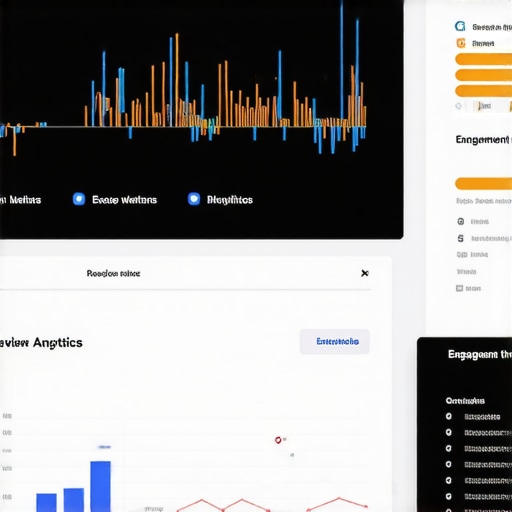
Visual representation of customer engagement tools dashboard showing review analytics and messaging interactions, illustrating the power of active engagement in local SEO.
What Are the Hidden Complexities of Advanced GMB Optimization Tactics?
Advanced GMB optimization isn’t just about filling out your profile or posting occasionally; it involves a nuanced understanding of structured data, review management, and algorithmic nuances. For example, implementing schema markup specific to local businesses can help search engines better interpret your data, leading to rich snippets that stand out. I learned that aligning schema with your NAP details not only boosts local relevance but also improves click-through rates. Staying ahead means continuously educating oneself—reading authoritative resources like top SEO strategies that evolve with algorithm changes. The challenge is balancing technical implementation with authentic customer engagement, which requires both strategic planning and ongoing learning. Have you integrated schema markup into your GMB profile? Share your journey or questions—I’m here to discuss!.
How Do I Keep My Strategy Agile Amid Rapid Algorithm Changes?
In my experience, agility is vital. The landscape of local SEO and GMB algorithms is constantly shifting, so I make it a habit to subscribe to leading industry blogs and participate in forums. This proactive approach helps me spot updates early—like recent changes in Google’s local search algorithm—and adapt swiftly. Regular audits of my GMB profile and competitor analysis are part of my routine, allowing me to fine-tune my tactics. I also leverage this resource to stay aligned with proven strategies. Remember, consistent effort and a willingness to test new tools or tactics—like advanced analytics or schema—can keep you ahead. What’s your approach to staying updated? Drop your thoughts or questions in the comments—let’s learn from each other!.
Mastering Schema Markup for Local Search Precision
One of the most sophisticated techniques I’ve adopted is implementing schema markup tailored specifically for local businesses. By embedding structured data such as LocalBusiness schema, I’ve significantly enhanced my Google My Business listing appearance, enabling rich snippets like review stars, event info, and service details to appear directly in search results. This not only boosts click-through rates but also signals to Google that my profile is authoritative and well-structured. According to Moz’s advanced SEO guidelines, schema markup can dramatically influence local pack rankings when executed correctly. I continuously refine my schema implementation by monitoring Google’s rich results test tools and adjusting for algorithm updates, ensuring my listings stay competitive.
Leveraging AI-Driven Review Management to Cultivate Trust and Authority
In my experience, integrating AI-powered review management platforms has been transformative. These tools analyze customer sentiment, identify review patterns, and automate personalized review solicitation, ensuring a steady flow of high-quality feedback. Responding promptly and professionally to reviews, especially negative ones, demonstrates active engagement and builds trust with both Google and potential clients. I’ve found that AI insights help me craft more targeted local content and service offerings, aligning with what my community values most. This layered approach—combining authentic customer interactions with intelligent data analysis—places my GMB profile ahead of less engaged competitors. For more insights, check these expert tools that I regularly use to refine my local SEO strategy.
Optimizing for Voice Search and Conversational Queries
With the rise of voice assistants, I’ve pivoted my local SEO tactics to include optimizing for voice search. This entails incorporating natural language, long-tail conversational keywords, and FAQ snippets that mirror how people speak about their needs. For instance, instead of just “plumber,” I optimize for “Who can fix my leaky faucet near me?” This approach requires a deep understanding of user intent and local trends, and it’s especially effective when integrated with Google My Business posts and Q&A sections. By aligning my content closely with voice search patterns, I’ve seen a noticeable uptick in local pack visibility and direct inquiries. To stay ahead, I regularly analyze voice search queries using tools like Google’s Search Console and adapt my keyword strategy accordingly.
Harnessing Data Analytics for Continuous Optimization
Data-driven decision-making has become the cornerstone of my advanced GMB approach. I utilize analytics platforms to track user engagement, search trends, and conversion metrics, allowing me to fine-tune my profile and content. For example, analyzing which keywords drive the most traffic helps me prioritize content updates and service descriptions. I also monitor competitor profiles to identify gaps and opportunities, ensuring my strategies remain agile amidst algorithm shifts. This ongoing cycle of testing, measuring, and refining is supported by tools like these proven tools that I rely on for comprehensive insights. Mastering this analytical approach enables me to anticipate changes and adapt swiftly, maintaining my competitive edge in local SEO.
Ready to Elevate Your Local SEO with Cutting-Edge GMB Tactics?
If you’re serious about transforming your Google My Business profile into a powerful local search asset, I invite you to explore these advanced strategies I’ve shared. Implementing schema markup, leveraging AI review tools, optimizing for voice search, and embracing analytics are game-changers. For personalized guidance or to share your experiences, visit our contact page. Let’s take your local visibility to unprecedented heights together!
Things I Wish I Knew Earlier (or You Might Find Surprising)
The Hidden Power of Consistency
Looking back, I realize that maintaining consistent NAP (Name, Address, Phone Number) citations was one of the most overlooked yet crucial elements in my local SEO journey. Once I standardized my listings across all directories, my visibility skyrocketed, proving that small details matter a lot more than I initially thought.
Authentic Reviews Trump Everything
Early on, I underestimated the impact of genuine customer reviews. Encouraging real feedback and responding thoughtfully created a trust signal for Google and boosted my rankings. It’s not just about quantity but the quality of reviews that truly counts.
Local Content Is Your Secret Weapon
Creating content tailored to my community and incorporating local keywords naturally helped me connect with my audience and improve my local pack rankings. Sharing stories about local events or highlighting community involvement made my profile more relatable and active.
Tools Can Accelerate Your Growth
Investing in reliable GMB tools that automate review requests and provide analytics was a game-changer. They saved time and offered insights I wouldn’t have discovered on my own, making my efforts more strategic.
Staying Updated Is Non-Negotiable
The algorithms change constantly. I learned to regularly follow industry blogs and participate in forums, which kept me ahead of the curve and ready to adapt my strategy as needed.
Resources I’ve Come to Trust Over Time
- Google’s Official My Business Help Center: As the primary source of accurate, up-to-date information, it’s my go-to for any platform updates or policy changes.
- Moz’s Local SEO Guides: Their comprehensive articles helped me understand the nuances of local ranking factors and schema markup.
- BrightLocal Blog: I rely on their case studies and tactical advice for practical, real-world tips that work.
- Google’s Search Central Blog: Staying informed about algorithm updates and best practices is essential, and this blog delivers trusted insights.
Parting Thoughts from My Perspective
In my experience, the journey to mastering local SEO and Google My Business optimization is ongoing but incredibly rewarding. The most valuable lesson I’ve learned is that authenticity combined with strategic effort creates the best results. Whether you’re just starting or looking to refine your approach, remember that consistent updates, genuine customer engagement, and leveraging the right tools will set you apart. If this resonates with you, I’d love to hear your thoughts or experiences. Feel free to share in the comments or reach out through my contact page—let’s grow our local presence together!
Reading through the post really resonated with me, especially the part about the importance of ongoing learning and adaptation in local SEO. When I first started optimizing my business’s GMB profile, I underestimated how quickly the landscape can change with new algorithm updates and tools. Implementing schema markup and actively managing reviews with AI tools made a noticeable difference in my local rankings. However, one challenge I faced was keeping content fresh and aligned with user intent without overwhelming my small team. How do others balance creating relevant content while managing day-to-day operations? I’d love to hear more tactics on maintaining that balance effectively.