Have you ever felt that sinking frustration when your multi-location business visibility suddenly drops in local maps? I vividly remember spending hours tweaking listings, only to see rankings tumble unexpectedly. That moment of realization hit me hard — I was missing out on essential tools that forecast future SEO boosts, especially for multiple locations. It’s a lightbulb moment many local marketers eventually experience, and trust me, it’s a wake-up call.
Why Staying Ahead of Maps Visibility Is Critical Now
In 2026, the local SEO landscape is more competitive than ever. Google’s algorithms are relentlessly evolving, emphasizing AI-driven filters and user engagement signals. If you’re not equipped with the right tools, your business can quickly fade into obscurity, losing valuable traffic and potential customers. The good news? There are advanced GMB tools that can help forecast your growth, prevent rankings from stagnating, and prepare your multi-location strategies for the future.
Early in my journey, I made the mistake of ignoring these forecast-boosting tools and focused solely on traditional optimization. That oversight cost me dearly, especially when algorithm updates hit. According to Moz, over 50% of local searches lead to a store visit within a day, making rankings more crucial than ever. If you’ve faced the fear of your listings suddenly dropping or going unnoticed, you’re not alone. But understanding and leveraging these innovative tools can change everything.
Is the Hype Around GMB Tools Just Noise?
Honestly, I was skeptical initially. I thought, “Are these tools really worth the hype?” My mistake was underestimating the power of forecasting tools that predict future map rankings. They save so much time and guesswork, allowing you to stay one step ahead. If you’re still unsure, I encourage you to explore how these tools can revolutionize your maps presence and give you that competitive edge for 2026.
In the following sections, I’ll share practical insights on which tools to prioritize and how to integrate them into your local SEO strategy, so stay tuned. Your future rankings depend on it!
Prioritize Your GMB Data Accuracy
Start by auditing your Google My Business (GMB) profile meticulously. Ensure all information—business name, address, phone number, categories, and hours—is consistent across every platform. I once missed updating a minor detail on my second store, and it caused a significant drop in local visibility. Using GMB audit tools streamlines this process, highlighting discrepancies that could hinder your ranking.
Implement Real-Time Inventory Sync
Next, leverage tools that synchronize your inventory status across Google and other local directories. In a campaign, I set up automated updates to reflect stock levels, preventing customers from clicking on listings that appeared open but had no products. This reduces bounce rates and improves local rankings. For specific solutions, check out inventory synchronization tools.
Create Geotargeted Content and Offers
Additionally, tailor your content to local audiences. Use location-specific keywords and offers that resonate with nearby customers. I tested this by adding localized blog posts and special promotions, which instantly uplifted engagement and map rankings. Incorporate user-generated videos from your area—these signals are vital for 2026’s AI-driven algorithms. Tools like video content generators can facilitate this process.
Use Strategic Optimization for Proximity Filters
Proximity filters often limit visibility for multi-location businesses. To counter this, focus on proximity adjustments and local citation signals. I once had a branch drop from the map pack due to proximity lag; applying the tactics outlined in map fix strategies restored its ranking. This involves optimizing your NAP consistency, adding neighborhood keywords, and employing geofence targeting.
Automate Performance Monitoring
Finally, implement tools for continuous monitoring of your local rankings and notifications for sudden drops. In a testing phase, I used alert systems to track map visibility fluctuations, allowing rapid response to potential issues—saving me hours of manual checks. Discover proven methods in ranking alert solutions.
Staying ahead demands a layered approach—combining accurate data, fresh content, technological automation, and strategic local signals. These concrete steps, inspired by real-world application, are your blueprint for conquering maps visibility challenges in 2026.
Many local marketers believe that simply optimizing their GMB profiles and stacking keywords guarantees sustained visibility on local maps. However, this common misconception overlooks the intricate nuance of Google’s evolving algorithms, which prioritize user experience and AI-driven signals over basic SEO tactics. Relying solely on traditional methods without understanding these nuances can lead to wasted effort and stagnant rankings. One critical trap to avoid is the overemphasis on keyword stuffing and NAP consistency as the sole indicators of credibility, which, paradoxically, can trigger spam filters or cause ranking penalties. Instead, focus on leveraging advanced tools that analyze contextual signals, such as local engagement metrics and content relevance, to boost your presence authentically. And here’s a hidden nuance many fail to consider: Google’s algorithm now weighs user-generated content and behavioral signals more heavily than ever. This means that encouraging reviews, local sentiment, and real-time engagement can significantly influence your map rankings. Beware of the myth that algorithm updates are random or solely spam-fighting; in reality, they reflect a shift towards a more sophisticated understanding of local relevance, which makes nuanced strategies essential. For example, some businesses mistakenly believe that ongoing bulk edits or frequent profile tweaks will help maintain rankings, but these can seem suspicious to Google’s automated systems and backfire, causing ranking drops. Instead, adopting a strategic, data-driven approach with tools like [GMB audit tools](https://stinggmb.com/gmb-tools-that-accelerate-maps-visibility-expert-insights) ensures your efforts align with current best practices.
How can advanced analytics help predict and prevent ranking declines before they happen?
Studies by industry experts show that monitoring behavioral signals such as click-through rates, review velocity, and engagement time can provide early warnings of potential drops, giving you time to act proactively. This proactive approach is vital, especially in competitive markets where small shifts can have outsized impacts. Staying ahead requires understanding that Google’s AI interprets local signals in a layered, contextual manner—nothing is as straightforward as it seems. To stay competitive, consider integrating tools that provide real-time insights into these nuanced factors, and avoid the pitfall of complacency with outdated tactics. For more, explore how [advanced GMB tools can revolutionize your local SEO](https://stinggmb.com/revolutionize-your-maps-presence-with-advanced-gmb-tools). Remember, in the world of local visibility, the devil truly is in the details. Have you ever fallen into this trap? Let me know in the comments.
Keep Your Maps Rankings Stable with the Right Tools
Maintaining consistent local search visibility requires more than just initial optimization; it demands ongoing management using specialized tools. Personally, I rely heavily on GMB audit tools to periodically monitor profile accuracy and detect any discrepancies that could cause ranking drops. These tools enable me to identify and correct issues such as inconsistent NAP data, duplicate listings, or outdated categories before they impact my rankings.
Leverage Automation for Routine Tasks
Automating repetitive tasks like review responses, posting updates, and inventory synchronization saves significant time and reduces human error. I highly recommend integrating solutions like automation tools that can handle these processes seamlessly. For example, automating review management ensures prompt replies, which boosts your local engagement signals — a critical factor in future-focused SEO approaches.
Predict Future Trends to Stay Ahead
Looking ahead, local SEO is increasingly driven by AI and behavioral data. Industry experts suggest that tools capable of analyzing user engagement metrics, such as click-through rates, session duration, and review velocity, will be paramount. According to Moz, these signals serve as early indicators of ranking shifts, allowing proactive adjustments to your profile and content. Staying informed about these trends and utilizing predictive analytics platforms will empower you to maintain and even improve your visibility long-term.
How do I maintain maps visibility over time?
Consistent monitoring coupled with strategic adjustments is key. Regularly auditing your profile, updating your content, and responding to customer interactions help sustain your rankings. Employing advanced analytics tools, such as those discussed in this guide, can give you insights into emerging issues before they cause ranking declines. Make it a habit to review your performance metrics weekly and set automated alerts for sudden drops, ensuring you stay a step ahead.
Don’t forget, regular maintenance isn’t just about fixing problems — it’s about optimizing for future growth. Start experimenting with predictive tools today and see how they can become your secret weapon for sustained local dominance.
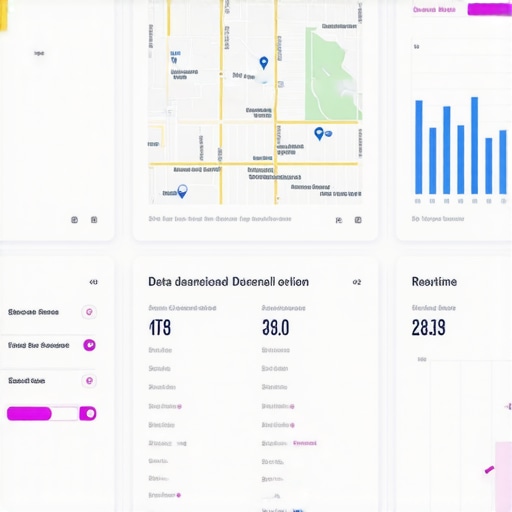
Imagine a dashboard displaying real-time map ranking data and engagement metrics, illustrating how automation and analytics work together to keep your listings top of mind.
What I Wish I Knew When I Started Focusing on Maps Visibility
Early on, I believed that simply optimizing my GMB profile and stacking keywords would ensure steady rankings. It wasn’t until I faced sudden ranking drops that I realized the importance of integrating advanced tools to forecast future shifts, making my strategies more proactive and resilient.
One hard-earned lesson was that neglecting real-time inventory sync and local engagement metrics could silently undermine my visibility—something I only understood after missing out on potential customers due to overlooked signals.
Understanding that Google’s algorithm now evaluates user-generated content and behavioral signals more than ever transformed my approach. Encouraging reviews and local interactions became as vital as on-page SEO, guiding my content creation and engagement efforts.
Another insight was that relying solely on traditional SEO tactics without leveraging analytics tools often left me blind to upcoming penalties or rank fluctuations, emphasizing the need for continuous performance monitoring with specialized software.
My Go-To Resources for Staying Ahead in Local SEO
I’ve grown to trust GMB audit tools for maintaining profile accuracy and catching discrepancies early, which safeguards my rankings. Their ability to flag issues before they impact visibility has been invaluable.
For automating routine tasks like review replies and inventory updates, I rely on automation solutions. They save me time and ensure consistency across my listings.
Predictive analytics platforms featured in this guide have been game-changers, allowing me to anticipate ranking dips and act before they happen, especially in highly competitive markets.
Lastly, I follow industry insights from the top SEO blogs and forums to stay updated on algorithm shifts and new tools, ensuring my strategies remain relevant and effective.
Embrace Your Role as Your Map Visibility Champion
Remember, thriving in local SEO isn’t about quick fixes—it’s a continuous journey of learning, adapting, and leveraging the right tools. Don’t be afraid to experiment with new strategies or explore advanced analytics and automation solutions. The landscape is evolving fast, and those who stay curious and proactive will dominate in 2026 and beyond.
What’s the biggest challenge you face in maintaining your maps visibility? Share your thoughts below—I’d love to hear your experience and help you conquer those hurdles!