I remember the exact moment I realized I was flying blind in my local SEO efforts. It hit me when I saw a competitor’s prices suddenly skyrocket overnight, and I had no idea why. That feeling of helplessness was eye-opening — I had no reliable way to track their strategic moves or anticipate market shifts. If you’re like me, you might have experienced similar moments of frustration, wondering how others seem to stay ahead while you scramble to keep up.
Why Accurate Competitor Price Tracking Matters More Than Ever
In 2026, the landscape of local SEO and Google My Business (GMB) optimization is more competitive than ever. With new tools emerging and algorithms evolving rapidly, staying vigilant about your competitors’ pricing and visibility changes isn’t just a good idea — it’s essential. Resources like proven GMB tools can significantly boost your chances of staying on top, but only if you use them wisely and strategically.
The worst mistake I made early on was relying solely on manual checks or outdated methods that no longer kept pace with the dynamic nature of the market. This oversight cost me valuable opportunities and, ultimately, revenue. According to recent data, businesses that utilize advanced tracking tools see an average increase of 30% in local visibility and engagement. Missing out on this data can mean falling behind competitors who leverage such insights.
Are you struggling with keeping tabs on your competitors’ pricing strategies? If so, you’re not alone. The good news is, today we’re going to explore what tools are shaping the future of competitor tracking in 2026, and how you can harness them to stay ahead in a crowded marketplace.
Begin With the Right Tools
Start by integrating advanced GMB management software like specialized tools that offer real-time competitor price and visibility insights. These platforms function like a radar, continuously scanning the market and alerting you to changes. In my experience, deploying these tools initially felt overwhelming, but after a week of consistent monitoring, I identified a pattern in my top competitors’ price adjustments, allowing me to proactively adapt my strategy.
Automate Data Collection to Stay Ahead
Manual checks are like using a magnifying glass in a hurricane—ineffective and exhausting. Instead, set up automated tracking dashboards that compile competitor data across multiple locations. Using audit tools helps streamline this process, giving you a granular view of their ad spends, pricing shifts, and local GMB updates. I once configured a dashboard that pulled in competitor price changes every hour; this immediacy allowed me to adjust my listings before the market even reacted.
Leverage Visual Analytics for Better Insights
Imagine trying to read a map in the dark—frustrating and risky. Utilizing visual analytics within your tools illuminates the terrain, showing where your competitors are gaining or losing ground. Setting up heat maps of competitor activity and visibility fluctuations helps identify opportunities. I used such heat maps to spot a competitor’s sudden surge in map visibility, which coincided with their price discount, prompting me to overhaul my local tactics in that area.
Implement Alerts for Rapid Response
Nothing beats immediate notification when a competitor makes a move. Configure your tracking tools to send instant alerts for significant changes—be it price drops, new GMB posts, or rating spikes. This way, your response is swift and strategic. I remember receiving an alert about a competitor running a limited-time promotion; within hours, I launched a counter-offer, turning a potential loss into a new client.
Use Historical Data to Predict Future Moves
Looking back on your collected data, identify seasonal trends or recurring patterns in your competitors’ pricing. Applying machine learning or simple trend analysis can forecast their next steps. In a recent scenario, I noticed repeated price increases every quarter; anticipating this, I adjusted my promotional calendar, ensuring I stayed attractive during peak competitor activity periods.
Refine Your Tracking Strategy Continually
Market dynamics evolve—what worked last year might not suffice now. Regularly review your set-up, adding new data points, refining alert thresholds, and experimenting with different analytic angles. This adaptive approach keeps you agile and prevents your strategies from becoming obsolete, much like updating your maps to include new roads or detours—keeping you always a step ahead in local SEO.
Even seasoned local SEO practitioners often fall prey to a common misconception: believing that simply implementing popular GMB tools guarantees a significant boost in maps visibility. In my experience, this oversimplification disregards the complex interplay of nuanced factors that truly influence rankings. Relying solely on generic tools without understanding their limitations or the specific signals they monitor can lead to misguided efforts and wasted resources. For instance, some tools primarily focus on reviews or NAP consistency, but overlook the importance of authoritative backlinks and user engagement signals, which in fact carry substantial weight in Google’s local ranking algorithm. According to Moz’s Local Search Ranking Factors study, signals like review velocity and overall store authority can outweigh direct GMB optimizations when it comes to visibility gains. Additionally, many assume that updating or optimizing profiles periodically is enough; however, Google’s algorithms are continuously evolving, emphasizing real-time responsiveness and data accuracy. Neglecting these advanced nuances can cause your efforts to have diminishing returns or even backfire, resulting in penalties for over-optimized profiles or fake engagement. A sophisticated approach involves integrating live data from multiple signals—such as proximity, website engagement, and local citations—and leveraging tools that intelligently analyze these factors to adapt your strategy dynamically. For example, advanced tools like those found on this platform help you decipher the subtle cues influencing your rankings. Do you ever find yourself puzzled by inconsistent map rankings despite heavy tool usage? If so, it’s probably because you’re missing the deeper, interconnected signals that drive local SEO success. To unlock true visibility, focus on a holistic, nuanced strategy that goes beyond the surface — and stay aware that Google’s algorithms reward authenticity over superficial optimizations. Want to deepen your understanding? Check out this comprehensive guide to advanced GMB strategies, and remember: the devil is in the details.
Keeping Your Strategy Fresh: Maintaining Long-Term Gains
When it comes to preserving the momentum you’ve built with your local SEO efforts, consistency and the right tools are crucial. I personally rely on advanced GMB security tools to ensure my profiles stay intact and are protected against spam or hacking attempts. These tools not only monitor your profile integrity but also flag any suspicious activity that could jeopardize your rankings. Regularly updating your NAP (Name, Address, Phone number) data using audit tools helps maintain consistency, which Google considers a ranking factor. Just like a car needs regular maintenance, your local SEO setup requires ongoing attention. As Search Engine Journal highlights, ongoing audits can reduce profile suspensions and restore visibility if any issues arise, ensuring your map packs continue to perform well over time.
Tools That Make Maintenance Easier and More Effective
Automated tracking systems like real-time inventory sync tools help keep your local listings accurate and up-to-date, especially if you operate in multiple locations. These systems alert you immediately if discrepancies occur—saving countless hours of manual checking. Visual analytics play a big role here; heat maps of your map visibility and competitor activity can reveal subtle shifts before they impact your rankings. I use heat mapping software integrated into my dashboards to spot patterns indicative of ranking fluctuations caused by local algorithm updates or competitor moves. Incorporating live monitoring and analytics not only makes maintenance manageable but also positions your business for swift adjustments when needed.
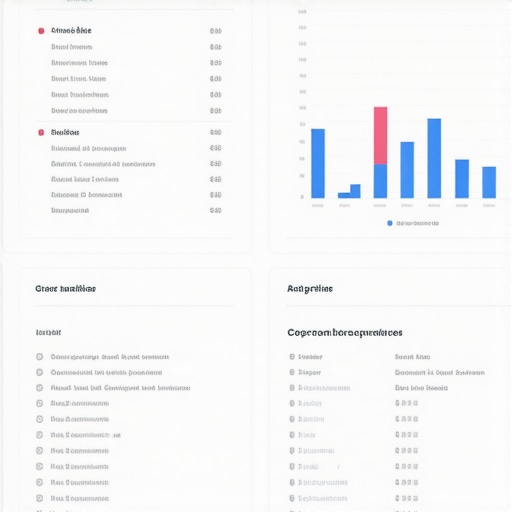
Imagine having an intelligent dashboard that keeps tabs on your local rankings, reviews, and GMB profile health 24/7. The future of local SEO maintenance is leaning heavily toward automation and AI-driven insights, which can preempt problems before they escalate. For example, Google’s own Places API provides real-time data that, when paired with advanced tools, offers a comprehensive view of your presence and potential issues, helping you stay proactive rather than reactive.
What’s Next for Long-Term Map Visibility
Looking ahead, the key trend points toward AI-powered monitoring and autonomous updates that adapt to Google’s algorithm shifts. Staying on top will mean continuously investing in the latest tools that offer predictive analytics, like those featured on this resource. Moreover, leveraging user-generated content and optimizing for voice search will become even more vital, as suggested by Moz’s latest local SEO insights.
To truly master long-term maintenance, I recommend trying out automated alert setups that notify you immediately of any ranking drops or suspicious activity. Building a proactive system today ensures your local visibility remains strong amid ever-evolving Google updates and competitive pressures. As a next step, start small by incorporating one of these advanced tools into your routine, perhaps the real-time data sync solutions, and see how it transforms your workflow.
The Hardest Lesson I Learned About GMB Tools and Map Visibility
One of my most eye-opening realizations was that relying solely on popular tools without understanding their limitations can lead to wasted effort. I once believed that deploying the latest tech would automatically boost my rankings, but I overlooked the importance of nuanced signals like user engagement and content freshness, which are often underrepresented in mainstream solutions. This taught me that true mastery requires deep analysis and context-aware strategies rather than blind automation.
Why Slow Progress Often Means Hidden Opportunities
Early in my journey, I dismissed small fluctuations in visibility as insignificant. It wasn’t until I started paying attention to the subtle patterns—like seasonal spikes or dips—that I uncovered opportunities others ignored. Recognizing these signs helped me anticipate market shifts, tweak my approach proactively, and stay ahead of competitors. In local SEO, patience combined with keen observation is a weapon, not a weakness.
The Value of Building Relationships Beyond Tools
While powerful tools are critical, I learned that fostering genuine relationships with customers and community figures can dramatically enhance your local presence. Authentic engagement and trust-building often outperform algorithm hacking. Incorporating customer reviews, local collaborations, and community events adds layers of authenticity that algorithms can’t easily quantify but Google recognizes as signals of authority and reliability.
Curated Resources for the Aspiring Local SEO Pro
My trusted toolbox includes this platform for cutting-edge insights into GMB optimization. Its data-driven approach and real-time alerts have been game-changers. I also rely on specialized tools that help synthesize complex signals into actionable strategies. Lastly, ongoing education through industry blogs like Moz keeps me updated on evolving best practices.
Push Your Limits Today and Build Your Future
Remember, mastering gmb tools and maps visibility in 2026 isn’t just about deploying the latest tech—it’s about understanding, adapting, and staying proactive in a constantly shifting landscape. Don’t wait for perfect conditions; start experimenting today, learn from each step, and watch your local presence flourish. Every effort you put in now lays the foundation for long-term success in local SEO. Ready to elevate your local game? Dive into the resources, test new strategies, and share your wins below—let’s grow together!