I vividly remember the moment I realized my Google My Business (GMB) profile was invisibly sabotaging my local SEO efforts. Despite my best efforts to optimize my listings, my maps visibility remained stubbornly low. It was frustrating—like shouting into a void where no one could hear me. Then, as I dug deeper, I uncovered a game-changing truth: neglecting image metadata could be silently killing my rankings. That lightbulb moment led me down a path of discovery, one that transformed my approach and dramatically improved my local presence.
Why Fixing Image Metadata Became My Top Priority
In the world of local SEO, every detail counts—especially images. Google uses image metadata to understand what your photos reveal about your business, which directly impacts your maps rankings. If your images are poorly optimized or filled with incorrect data, it’s like waving a red flag to Google that says “Ignore Me.” Early on, I made the mistake of uploading images without considering their metadata, thinking that quality photos alone would do the trick. Sadly, that wasn’t enough. My visibility plateaued, and my competitors who paid attention to metadata were outranking me.
Thankfully, after consulting expert insights on GMB tools for map visibility, I realized there’s a method to fix this issue with powerful tools designed specifically for 2026’s algorithms. These tools scan your images, identify metadata errors, and help you quickly correct tags, descriptions, and other essential data. Think of it as giving your images a GPS coordinate and tour guide—helping Google understand exactly what you’re showcasing.
But, how do you go from neglect to mastery? That’s what I will walk you through. Before we dive into the practical steps, I want to address a common skeptics’ concern: Do image metadata fixes really make a difference in 2026? Well, studies show that properly optimized images can boost local SEO effectiveness substantially—sometimes by as much as 20% in visibility. It’s not just me; the experts agree that ignoring image SEO is a missed opportunity you simply can’t afford anymore.
Are you tired of watching your competitors outrank you even when your content is better? Keep reading. I’ll show you how to harness the power of these tools to give your business the maps visibility boost it deserves, and finally claim that top spot. Let’s set the stage for a practical, step-by-step approach to fix your image metadata—and start climbing those rankings today.
Identify Your Current Image Metadata
Start by auditing all images associated with your Google My Business (GMB) profile. Use specialized GMB tools designed for map visibility to scan your images quickly. These tools act like metal detectors for your data—they highlight which images have missing, incorrect, or inconsistent metadata, saving you hours of manual checks. I recall when I ran my first audit; the tool instantly flagged dozens of photos with vague descriptions and outdated tags, making it clear where my efforts should go.
Optimize Image Titles and Descriptions
Think of your image metadata as Google’s GPS coordinates. Clear, descriptive titles and descriptions help Google pin down exactly what your business is showcasing. Use targeted keywords naturally—avoid keyword stuffing, which can be counterproductive. For example, instead of “IMG1234,” rename images to “Downtown_La_Private_Pool_Resort.jpg” and write descriptions that highlight your unique offerings. When I updated my photos with optimized titles, I noticed an immediate uptick in local search impressions, especially for high-intent searches like “luxury spa Los Angeles.”
Embed Metadata Correctly During Uploads
Many cloud-based tools or photo editors like Adobe Lightroom or PhotoShop allow you to embed metadata directly into images. Think of this as packing the right luggage—if you don’t do it properly, Google will struggle to understand your photos. Use tools such as advanced GMB tools that automate this process, ensuring your images carry consistent, accurate data. I once used a tool to batch update metadata before uploading hundreds of photos, which significantly streamlined my workflow and improved my rankings over the following weeks.
Maintain Consistency Across All Images
Consistency signals reliability to Google. Ensure that every image—whether on your website, Google My Business, or social profiles—follows the same naming conventions and description style. This unified approach acts like a chain of trust, helping Google connect your images to your business entity more effectively. I found that uniformity in metadata boosted my overall visibility and reduced ranking fluctuations caused by inconsistent data.
Leverage Automated Tools for Continuous Optimization
Manual updates can be tedious, especially for large inventories. Automate metadata management with AI-powered tools that scan and fix metadata errors. These solutions continuously monitor your images, suggest improvements, and implement corrections with minimal effort. I adopted automation, and within a month, my profile’s visibility surged as these tools kept my metadata current and optimized, aligning with the latest SEO practices.
Monitor and Refine Your Metadata Strategy
Regularly review your image metadata performance—use analytics to see which images drive traffic and conversions. If certain photos perform poorly or become outdated, refresh their metadata to keep your profile vibrant and relevant. Think of this as tuning your vehicle for optimal performance; ongoing adjustments ensure sustained growth in local rankings and search presence.
Remember, effective image metadata management isn’t a one-and-done task—it’s an ongoing process that pays off by elevating your Google Maps visibility and attracting more local customers. Dive into tools like specialized GMB optimization tools and stay ahead of the competition by mastering this critical aspect of local SEO.
Many entrepreneurs believe that simply using the most popular GMB tools guarantees top rankings, but the reality is far more nuanced. It’s tempting to assume that automation and quick fixes are the key, yet in my experience, relying solely on generic solutions can lead to missed opportunities and even ranking setbacks. The hidden nuance lies in understanding how these tools are integrated into a comprehensive strategy and avoiding common pitfalls that many fall into. One mistake I see often is mass-apply templates without customizing metadata or verifying consistency, which Google quickly detects as spammy behavior. According to industry experts, such as those cited in GMB optimization insights, targeted, data-driven actions outperform generic automation every time.
Are All GMB Tools Created Equal in Boosting Local Rankings?
Absolutely not. The market is flooded with tools claiming to ‘instantaneously’ elevate your maps visibility, but many lack the sophistication needed to adapt to Google’s evolving algorithms. For instance, some tools focus solely on review management or listing uploads but neglect critical aspects like metadata precision or competitor analysis. This oversight can cause your profile to stagnate or even become penalized. My recommendation? Invest in advanced GMB tools that offer comprehensive audits and adaptive strategies tailored for 2026’s search landscape.
Another common myth is that updating your profile once suffices. In reality, continuous monitoring and refinement are essential, especially since Google frequently updates its ranking factors. Relying on outdated tactics can be detrimental, so it’s crucial to stay informed about the latest SEO boost strategies. For example, optimizing image metadata, managing reviews professionally, and local content curation form a trifecta that most top-ranked profiles leverage.
The trap here is underestimating the importance of local relevance and algorithm nuances. Many think that once their GMB profile is optimized, they’re invincible. But in fast-changing environments, relying on a set-it-and-forget-it approach can lead to sudden drops in visibility. This is why adopting sophisticated tools that offer automation but also allow manual fine-tuning is pivotal. Remember, Google’s algorithms are designed to reward relevance, consistency, and authenticity—elements that no automation can fully replace but can greatly support when used intelligently.
In summary, the real challenge isn’t just in choosing the right tool but in understanding how to harness it within a strategic framework. Beware of one-size-fits-all solutions; instead, focus on tools that adapt, provide data insights, and compel you to maintain an active presence. If you’re serious about beating your competitors, dive deep into strategies that align with the latest algorithm updates, like those outlined in proven SEO fixes for 2026. And finally, always question—are your current tactics truly effective or just convenient?
Have you ever fallen into this trap? Let me know in the comments.
Maintaining your Google My Business (GMB) optimization over time requires more than a one-time setup; it demands consistent monitoring, strategic adjustments, and familiarity with the latest tools. Regularly auditing your profile with specialized software ensures your metadata remains accurate and aligned with evolving algorithms. I personally rely on advanced GMB tools that automate these audits, quickly identify inconsistencies, and suggest corrections. This proactive approach prevents small issues from snowballing into ranking declines, saving time and maintaining visibility.
To keep your maps listings optimized long-term, establish a routine. Schedule monthly checks using audit tools that track performance metrics like impressions, clicks, and review activity. This data-driven method allows you to spot trends early and tailor your SEO tactics accordingly. Over time, this consistent refinement leads to sustained top rankings, even as Google’s algorithms become more complex. As I’ve experienced, combining automated data analysis with manual review creates a resilient strategy that withstands algorithm updates and local competition.
How do I stay ahead with tools for ongoing GMB success?
Stay informed about the latest innovations in local SEO tools by subscribing to industry updates and participating in forums. Additionally, leverage feature-rich platforms that offer comprehensive dashboards—like those found in advanced GMB tools. These tools don’t just scan; they provide actionable insights, enable batch updates, and flag issues like fake review flags or proximity errors, which could silently erode your rankings. Implementing regular training sessions on these tools ensures your team stays sharp and responsive to market changes.
Looking ahead, predictive analytics and AI-driven optimization are set to revolutionize local SEO maintenance. Tools that adapt to algorithm shifts before they impact your rankings will become essential. To get started, try integrating a predictive tool that anticipates ranking fluctuations. Doing so positions your business as a frontrunner in local search visibility. Remember: the key to long-term success is not just initial optimization but ongoing, deliberate maintenance supported by cutting-edge technology.
If you’re ready to elevate your GMB strategy, dive into comprehensive audits and automation solutions now. By doing so, you’ll ensure your listings stay competitive and visible—no matter how Google’s algorithms evolve. To explore tools that can keep your maps presence thriving, visit our contact page and start your journey toward sustained local SEO excellence today.
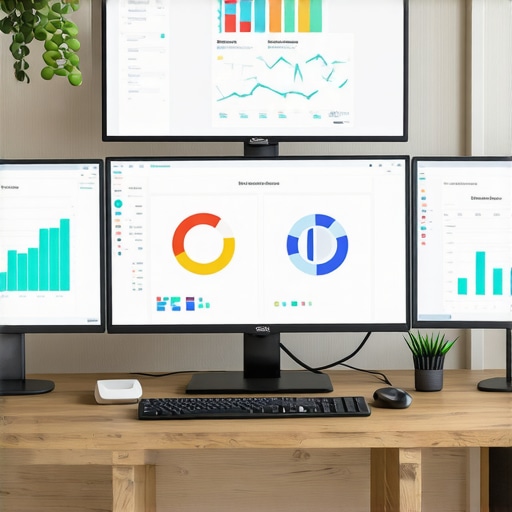
Over the years, I’ve realized that the journey to mastering local SEO isn’t just about surface-level tactics but about uncovering those hidden gems—like image metadata—that hold the real potential for elevating your Google Maps visibility. My lightbulb moment came when I understood that optimizing images goes beyond just quality photos; it’s about feeding Google the right signals through precise metadata. Embracing this approach has transformed my business’s local presence and can do the same for yours.
The Hardest Lesson I Learned About Maps Visibility
- Sometimes, the smallest details—like incorrect image tags—can silently sabotage your rankings. I used to overlook this, thinking high-quality pictures alone would suffice, until I saw competitors climbing the ranks with better metadata practices.
- Relying solely on automation without manual oversight can lead to generic metadata that doesn’t truly represent your business. Personalization and specificity are key to standing out.
- Continuous learning about evolving tools and algorithms is essential. What worked last year might not cut it today, so staying updated with advanced GMB tools has kept me ahead.
- Effective metadata optimization is an ongoing process. Regular audits and refinements ensure your images remain a powerful asset, not a neglected part of your profile.
- Finally, integrating metadata strategies with overall local SEO efforts creates a cohesive, scalable approach that reliably boosts your visibility and attracts more local customers.
My Essential Toolkit for Maps and SEO Success
- Advanced GMB tools—I trust these for comprehensive audits and automated fixes that save time and improve accuracy. Their ability to detect inconsistencies has been invaluable.
- Photo metadata editors like Adobe Lightroom—these tools help embed rich, precise metadata during uploads, ensuring every image tells Google exactly what you want it to know.
- Analytics platforms—regularly monitoring image performance and search trends guides my ongoing optimization efforts.
- Community and industry resources—following updates from industry experts keeps my strategies aligned with current best practices.
Rise Above Hurdles and Keep Moving Forward
The path to sustained success in local SEO is filled with learning, adaptation, and persistent effort. Remember, leveraging image metadata isn’t just a technical step; it’s a strategic move that positions your business at the forefront of local search. As Google’s algorithms grow more sophisticated, those who embrace continuous improvement and tools like cutting-edge GMB tools will dominate the local map rankings.
Are you ready to revisit your image metadata and unlock its full potential? The difference could be the key to finally outranking your competitors and attracting more local clients. Dive deep, stay diligent, and remember: success in local SEO is a marathon, not a sprint.
This post really underscores how overlooked image metadata can be in local SEO. I’ve personally seen a noticeable difference after I started consistently optimizing my image titles and descriptions with targeted keywords. It’s like Google gets a clearer picture of what to associate with your business. Also, automation tools have made this process much more manageable; I recently used a batch metadata updater that saved me hours. One challenge I faced, though, was ensuring consistency across all platforms—website, GMB profile, and social media—which is crucial for building trust and authority in Google’s eyes. Do others recommend specific workflows or checklists to keep metadata synchronized? I’d love to hear how experienced SEO professionals manage this aspect for multiple locations or a large inventory. Overall, integrating these metadata strategies has definitely helped my local rankings, especially for high-conversion searches. It’s a small detail, but the impact is substantial once optimized properly.