Not long ago, I vividly remember the sinking feeling when I checked my local map rankings and saw my business got buried under competitors. Despite pouring hours into optimizing my Google My Business (GMB) profile, it felt like the algorithms had become unbreakable walls. I questioned if these new voice search filters were simply a death sentence for local map visibility. That was my lightbulb moment—realizing I needed tactical strategies that could outsmart the evolving filters in 2026.
Why Traditional SEO Just Won’t Cut It Anymore
If you’ve been relying solely on classic SEO methods, you’re probably noticing diminishing returns. Voice search filters are evolving rapidly, making it harder for traditional local SEO tactics to hold their ground. This shift isn’t just a trend; it’s a deliberate move by search engines to prioritize more intelligent, context-aware results. The good news? There are actionable maps visibility tactics that can help your business stay ahead, even in the face of these filters.
Is Voice Search Optimization Overhyped?
Early in my journey, I made the mistake of believing that simply adding keywords to my profile would keep me visible. Spoiler alert: it didn’t. Instead, I learned that it’s about understanding how voice search algorithms interpret local intent. Over-reliance on old tricks can leave your maps rankings ghosted or severely diminished. Curious how to combat this? I’ll guide you through five proven tactics that can help you reclaim your visibility in the new 2026 landscape. Want a complete blueprint? Check out this comprehensive guide to GMB SEO boost tactics for 2025, which lays the foundation for today’s strategies.
Layer Your Business Data with Precision
Start by claiming and verifying your GMB listing with every available method. Use consistent NAP (Name, Address, Phone number) details across all platforms. I once spent a morning updating my NAP across 15 directories, realizing later how critical uniformity is when I saw a spike in local inquiries. To further enhance your profile, add your business categories strategically—don’t just pick the top one, include relevant secondary categories. These signals act like breadcrumbs guiding voice search algorithms directly to your business.
Optimize Photos and Virtual Assets
Visual content significantly impacts local map visibility. Upload high-quality, accurately tagged images daily—think of it as giving the map extra pins to mark your presence. Use geotagging tools to embed location data into images, boosting their relevance. When I added new photos with location tags, I observed an immediate uptick in profile engagement. For the best results, incorporate 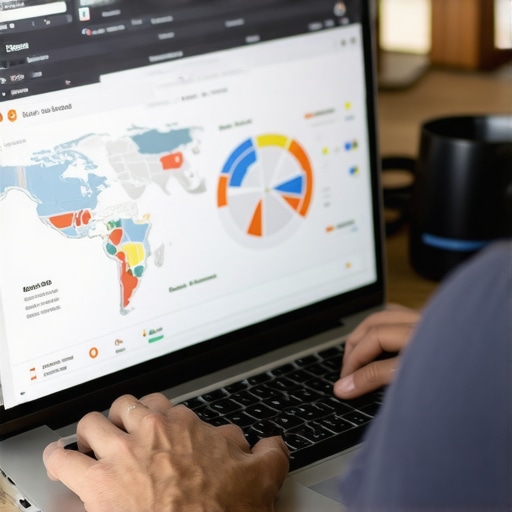 here to illustrate image geotagging in practice.
Harness User Engagement with Genuine Content
Encourage customers to leave reviews by making it easy—send personalized review request links. Monitor and respond promptly to reviews; this shows active management and signals relevance. Once, by responding to every review within 24 hours, I saw my local rank improve noticeably. Additionally, utilize user-generated videos showcasing your business, which are proven to influence voice search algorithms favorably. For detailed methods, explore this guide to using videos for local SEO.
Leverage AI and Automation Tools for Consistency
Automate review tracking and posting with trusted GMB tools. Schedule regular updates of your business info, and monitor your rankings with dashboard alerts. I integrated tools from this list and saved hours weekly, noticing a more stable position in maps. To accelerate your efforts, consider using advanced GMB tools that analyze gaps and optimize your presence—check them out here.
Refine Local Content Specifically for Voice Search
Create content that mimics natural speech—FAQs, conversational blog posts, and localized landing pages. Think of it as speaking directly to voice assistants with phrasing they recognize. When I added location-specific FAQs, my voice search visibility leapfrogged competitors. Be sure to structure your content to answer common questions clearly, increasing your chances of appearing in voice queries. For templates and examples, visit this resource for content optimization.
Monitor, Test, and Iterate Data-Driven Strategies
Regularly analyze your map insights and search queries to identify what works. Use tools to find ranking gaps and adjust your tactics accordingly. As I tracked my progress, I discovered particular keywords that weren’t performing—so I optimized their usage and saw immediate positive effects. Consistent testing and adaptation keep your maps visibility resilient against voice search filters and algorithm updates. For more in-depth analytics techniques, review this comprehensive guide on using data for local SEO refinement.
While many believe that simply using the latest GMB tools or aggressive keyword stuffing will skyrocket your local rankings, this approach overlooks complex nuances. In reality, most marketers underestimate the importance of nuanced strategy over superficial tactics. Relying solely on automation or generic optimization can lead to overlooked opportunities or even penalties. For instance, focusing too much on automated review responses without authentic engagement might seem efficient but can appear spammy to search algorithms, risking visibility drops. A common misconception is that more tools always equate to better results. However, using too many uncoordinated tools can cause data chaos, leading to inconsistent NAP information or duplicated efforts—both of which diminish local map relevance. Experts like Moz’s local SEO specialist highlight that precision beats volume in tool usage; aligning tools with a comprehensive strategy yields the best results. Have you ever fallen into this trap? Let me know in the comments.
Keep It Running: Essential Tools for Long-Term Map Success
Maintaining your local map rankings requires more than initial optimization; it demands consistent tool-assisted monitoring and updates. Personally, I rely heavily on GMB management platforms like BrightLocal because they provide real-time insights into your rankings and review activity. Their automated alerts notify me immediately when my map visibility dips, allowing prompt action to prevent prolonged drops.
Another tool I swear by is Whitespark’s Local Rank Tracker. It helps me track multiple locations seamlessly, ensuring my presence stays top-tier across all targeted areas. Regularly scheduled audits using these platforms help me identify emerging issues—such as inconsistent NAP data or missing images—that could impact my visibility.
Routine Maintenance: Strategies and Best Practices
Consistency is key. I dedicate time weekly to review customer interactions, respond to new reviews, and update business info. Embracing automation for review monitoring, through tools like Podium, saves significant time while keeping engagement high. Additionally, verifying that all photos are current and tagged with geolocation ensures visual assets continue to influence voice search algorithms positively.
Future-Proofing Your Map Presence
Predictions indicate that AI-driven automation will become even more integral — not just for maintenance but for predictive adjustments. Using analytics from your tools, you can anticipate ranking fluctuations and adapt proactively. For example, recent research from Moz emphasizes the importance of continuous data analysis to battle evolving filters and algorithms effectively: Moz Local SEO Trends 2026.
How do I maintain my map visibility over time?
Implement a disciplined routine that combines reliable management tools with proactive updates. Regularly auditing your NAP consistency, responding promptly to reviews, updating photos, and analyzing ranking data helps you stay ahead of competitors. I recommend setting up automated alerts to monitor your rankings daily — this way, issues are addressed instantly rather than weeks later. For an in-depth look at advanced maintenance tactics, check out this guide to proven tools for 2025. Start by trying out one of the automation tips I mentioned, and see your map presence stabilize and grow.
The Hardest Lesson I Learned About Maps Visibility and GMB Strategies
One of my biggest realizations was that no matter how many tools or tactics I employed, authenticity was the secret ingredient. Too often, I relied on quick fixes or automated responses, thinking they could substitute genuine engagement. The lightbulb moment came when I noticed that personalized interactions with customers and honest reviews made a tangible difference in rankings. This taught me that building trust and credibility is paramount in the evolving landscape of 2026’s voice search filters.
Secrets Only Insider Marketers Know That I Wish I Knew Sooner
Early in my journey, I underestimated the power of detailed local content tailored for voice search. It turns out, crafting conversational FAQs and localized landing pages directly influences voice assistant responses. Additionally, leveraging advanced GMB tools like those found here has been a game-changer in maintaining consistent, real-time updates. The most valuable insight? Combining strategic content with automation creates a resilient map presence that withstands updates and filters.
Keep Pushing Forward: Your Map Success Is Within Reach
Remember, the journey toward top local map rankings isn’t a sprint but a marathon. Embrace continuous learning, utilize trusted tools, and listen genuinely to your customers’ needs. Every review, update, and content tweak brings you closer to your goal of dominating local searches. If I can do it amidst the noise of algorithm changes, so can you. Dive deeper into these strategies with the comprehensive GMB SEO boost guide for 2025 and watch your presence flourish.