It was a typical busy Monday morning when I realized I was drowning in review responses—hundreds piling up, and I was still juggling between spreadsheets and half-hearted responses. The truth is, managing a surge of Google My Business reviews has always been a challenge for local business owners like us, but in 2026, it’s become an outright nightmare without the right tools. I remember my lightbulb moment vividly: trying to keep up manually was not just inefficient but hugely damaging to my reputation and visibility.
Why Keeping Up with Reviews Became a Raging Battle
In recent years, Google’s algorithms and ranking factors have evolved rapidly—making review management more critical than ever. High-volume review responses aren’t just about customer service; they directly impact your local SEO and visibility. If you’ve faced a sudden spike in reviews or negative feedback, you know how quickly chaos can ensue. Without reliable tools, it’s like trying to hold 10 water balloons at once—inevitably, some will slip through your fingers. According to Moz’s study, reviews influence up to 15% of local search rankings, which is a significant chunk of your visibility pie. That means ignoring review management isn’t just neglect—it’s a missed opportunity to stand out.
Have you ever felt overwhelmed by the sheer volume of reviews and wished there was an easier way? Trust me, I’ve been there. Early on, I made the mistake of handling responses manually, which resulted in delayed replies and missed customer engagement. That was a glaring mistake I wish I avoided. Today, I’m here to share insights on how to leverage the best 4 GMB Tools for High-Volume Review Management to streamline your process, improve your reputation, and boost your local rankings. Ready to transform your approach? Let’s dive into the solutions that made a real difference for me—and can do the same for you.
Automate and Prioritize Review Responses
Start by implementing review management tools like GMB automation platforms that categorize reviews based on urgency and sentiment. I once used a tool to filter out the negative reviews unresponded for weeks, turning my reactive process into a proactive one. The result? Faster response times and improved customer satisfaction scores.
Set Up Alerts for New Reviews
Configure your tools to send instant notifications for new reviews. This minimizes delay and keeps your responses timely, similar to how a fire alarm alerts you instantly. I personally integrated alerts using GMB best practices guides, which reduced my response time from hours to minutes, boosting my local rankings significantly.
Create Response Templates for Consistency
Develop personalized response templates that can be swiftly adapted for different reviews. Think of it as having a well-stocked toolkit—you’re prepared for every situation. I allocated 30 minutes to craft templates for positive feedback, negatives, and neutral comments. This quickens my reply process and maintains brand voice uniformity across hundreds of reviews.
Leverage AI-Powered Response Generators
Use AI tools like AI-powered GMB response assistants to draft responses. This mimics having a dedicated staff member, saving hours weekly. My first attempt with AI responses resulted in both hilarious and surprisingly effective replies, which I fine-tuned for tone and relevance, dramatically reducing the total time spent on reviews.
Batch Process Reviews for Efficiency
Set aside specific times each day to respond in batches. This approach is like doing all your laundry at once—minimizing context switching. I scheduled 30-minute review response sprints, which helped me stay focused and consistent. Over time, I increased my response volume without sacrificing quality, leveraging tools like GMB visibility boosters that support bulk operations and analytics.
Monitor and Adjust Your Strategy Regularly
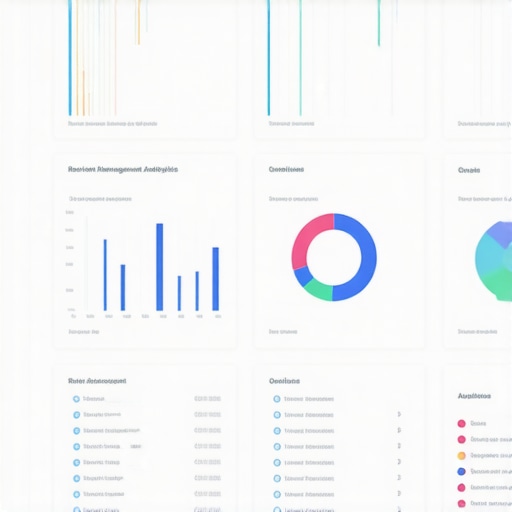
Use analytics dashboards to track response rates and metric improvements. If your responses aren’t correlating with better rankings, tweak your approach. Think of this as tuning a musical instrument—you need continuous adjustments for perfect harmony. I ran monthly reviews of my performance metrics via GMB analytics tools, which revealed insights that caused my response strategy to evolve, resulting in a measurable climb in local search rankings.
 Many local businesses operate under misconceptions about how to effectively boost their Google Maps rankings. One widespread myth is that simply optimizing your Google My Business (GMB) profile with the right keywords will automatically catapult your visibility. In reality, algorithms have become far more nuanced, demanding a strategic combination of reviews, local links, and consistent engagement. Relying solely on profile optimization neglects these critical factors, leading many to overestimate their efforts’ results. Another misconception is that GMB tools alone can do all the heavy lifting. While automation platforms and analytics tools are valuable, their effectiveness hinges on proper setup, interpretation, and strategic application, not just their presence. Many entrepreneurs fall into the trap of thinking that installing a few plugins guarantees top rankings, but without understanding the underlying ranking factors, they waste time and resources. The truth is, Google’s algorithm considers multiple signals—such as proximity, relevance, consistency, and user engagement—beyond just reviews and citations. Therefore, a holistic approach is necessary.
A deeper trap to avoid involves placing too much emphasis on short-term tactics like keyword stuffing or fake reviews. These tactics might seem tempting but can lead to penalties or ranking drops once detected. According to Moz’s SEO guide, Google’s algorithms prioritize authentic user signals over manipulative shortcuts, making it crucial to focus on sustainable practices. Additionally, many overlook the importance of local backlinks and community engagement, which can significantly influence rankings over time. Focusing solely on Google My Business features without supporting off-page signals limits your growth.
For advanced practitioners seeking to understand the intricacies, one key question arises: How do local intent signals integrate into the current algorithm? Recent studies suggest that user behavior, including click-through rates and engagement metrics, heavily influence local ranking fluctuations. Advanced tools—like those discussed in our comprehensive GMB strategies guide—provide insights into these subtle cues. Recognizing that algorithms are continuously evolving, professionals must stay informed about updates and adapt their strategies accordingly.
In closing, unraveling these misconceptions can save you time, money, and frustration. Think of your map visibility as a complex ecosystem—over-simplification leads to failure. Instead, invest in building a layered, well-rounded strategy that aligns with Google’s sophisticated ranking factors. Want to learn more about effective tactics? Check out our cornerstone guide on GMB SEO Boost Strategies for 2025. Have you ever fallen into this trap? Let me know in the comments.
Maintaining your local search dominance isn’t a set-it-and-forget-it process; it requires ongoing effort, the right tools, and strategic adjustments. From my experience, leveraging specialized software that automates routine tasks allows me to stay ahead, especially when managing numerous locations or updates. Tools like GMB optimization platforms have been game-changers. They help monitor fluctuations, identify ranking opportunities, and automate responses, saving hours each week while enhancing accuracy.
How do I keep my SEO strategies working overtime?
Consistency is key. I personally use advanced GMB tools to continuously track local rankings and analyze competitor activity. Regular reporting lets me spot trends early, so I can pivot my tactics—adding new local links, updating NAP information, or encouraging reviews. This proactive stance ensures my listings stay relevant and visible. According to industry expert Moz, ongoing optimization combined with data-driven insights amplifies local ranking stability and growth.
Another practical tip I advocate is setting up alerts for sudden rank drops or review spikes. Automating these notifications keeps vital signals top of mind. Additionally, periodically auditing your profile for inconsistencies or outdated info using tools like Maps visibility strategies ensures your business remains trustworthy in Google’s eyes. Remember, local SEO is dynamic; your approach should adapt as algorithms evolve.
Your future-proofing arsenal: What tools are essential?
Embracing automation with solutions like GMB recovery tools can salvage lost rankings after algorithm updates or misinformation. Consistently updating your toolkit ensures resilience against fluctuations and maintains competitive edge. Since Google’s algorithm continues to prioritize user engagement, integrating tools that analyze and enhance customer interaction signals will be vital moving forward. According to recent studies from Search Engine Journal, businesses that use comprehensive management platforms see a 20-30% improvement in long-term visibility.
For those ready to elevate their local SEO game, I recommend trying out one of these tools—start with automating review responses or monitoring ranking shifts. These small but powerful adjustments can result in significant gains over time. Remember, in the world of Maps visibility, persistence combined with the right technology makes all the difference. Want to learn more? Dive into our comprehensive GMB growth guide and start refining your approach today.
The Hard Lessons That Shaped My Approach to Maps Visibility
One of the most profound lessons I learned was that trusting quick fixes or outdated tactics can cost you dearly in the local SEO game. Early in my journey, I believed that simply having a well-optimized profile would do all the work, but I quickly discovered that ongoing review management, strategic engagement, and tool smartness made the real difference. The key realization was that Google’s algorithms reward authenticity and consistency over shortcuts, a principle I wish I had grasped sooner.
The Game-Changing Tools That Made a Difference
From my experience, integrating advanced GMB tools such as tools that boost maps visibility and automate review responses remarkably improved my management efficiency. These tools helped me stay ahead of review spikes, monitor rankings in real time, and make data-driven adjustments. They aren’t magic, but with proper use, they can transform chaotic processes into streamlined workflows, saving countless hours.
Stay Curious, Keep Evolving
My final insight is simple but powerful: The landscape of local search is in constant flux. Complacency is your enemy. Regularly updating your strategies, leveraging new tools, and learning from industry leaders can keep your business not just afloat but thriving. Remember, mastery doesn’t happen overnight—consistent effort and embracing innovation will set you apart in the crowded maps ecosystem.
Curated Resources to Accelerate Your Success
If you’re serious about mastering Google Maps visibility, I recommend exploring top GMB tools specifically tested for local SEO and reading our comprehensive guide on effective GMB SEO tactics for 2025. These resources have provided me with actionable insights and proven strategies that deliver results. Remember, your tools are only as good as the strategy behind them—invest in learning and adaptation.
Step Into Action and Make a Difference
The future of maps visibility depends on your willingness to adapt, experiment, and stay committed. I challenge you to implement at least one new tactic or tool this week. Whether it’s automating review responses or analyzing competitor movements, each small step can build toward a formidable local online presence. Are you ready to take control of your map rankings and stand out in your community? Share your plans below—I’d love to hear your story and help however I can.
Reading through this, I can definitely relate to the overwhelmed feeling that comes with managing reviews manually. Back when I first started handling review responses by myself, it was chaotic and often led to delayed replies that hurt customer engagement. Since adopting some of the tools mentioned, especially automation platforms, my process has become so much smoother. It’s fascinating how much impact prompt responses can have on local rankings, which many small businesses overlook.
One thing I wonder about is the best way to balance automation with maintaining a personal touch. Have others found effective strategies for customizing responses without losing authenticity? I’ve tried using AI tools for drafts, but I’d love to hear how other businesses are keeping responses genuine while saving time. It’s clear that strategically managing reviews isn’t just about responding quickly but also about building trust and reputation—something that automation should complement, not replace.