Have you ever watched your local business vanish from the map, only to realize that your competitors are suddenly dominating the search results? I remember the moment I faced this exact frustration—seeing my listings lose visibility despite consistent effort. It felt like fighting an invisible force that kept pushing me down the ranks, and I knew I wasn’t alone. This was my lightbulb moment: understanding that hidden errors in my proximity settings and map strategies were sabotaging my local SEO efforts.
The Real Struggle Behind Maps Visibility Drops
In my early days, I believed that just optimizing my Google My Business (GMB) profile was enough. I poured hours into reviews, keywords, and photos. Yet, my visibility kept slipping. Turns out, there’s a sneaky culprit lurking in the background—stop proximity errors. These are often overlooked mistakes that prevent your business from showing up where it matters most—the local map search results.
Why should you care? Because in 2026, local map rankings can determine your walk-in traffic, online inquiries, and overall growth. A study by BrightLocal shows that 78% of local searches lead to an offline purchase, making your visibility essential. But here’s the twist: most business owners are unaware of how proximity errors silently degrade their rankings. Early on, I made the mistake of ignoring these issues, thinking that making minor tweaks would do the trick. Trust me, that was a costly oversight. You can avoid this by diving into the root causes and applying proven tactics.
Today, I’ll walk you through five powerful strategies to conquer these errors and elevate your maps visibility. By the end, you’ll have actionable insights to stop losing ground and start climbing the local search ladder confidently.
Is Your Maps Visibility Actually Worth the Effort in 2026?
Many skeptics wonder if investing time and resources into fine-tuning proximity and map tactics still delivers results. It’s a fair question. I used to think local SEO was a fleeting trend until I witnessed firsthand how strategic adjustments made a dramatic difference. It’s true—if you don’t stay ahead of the evolving algorithms, competitors will outshine you. For a comprehensive approach, consider exploring detailed strategies at this resource.
Reflecting on my early missteps, I overlooked the importance of accurate location settings and fail-safe verification processes. That mistake cost me valuable weeks of lost visibility. Recognizing and fixing stop proximity errors early on is key to resilience and sustained success.
Keep reading, because we’re about to unveil the tactics that can transform your local map presence—cutting through the noise and making sure your business stands out when it matters most.
Verify Your Business Location with Precision
The first step is ensuring your business address is accurate across all platforms. Think of it like a GPS coordinate—if it’s slightly off, your business might show up in the wrong neighborhood or not at all. I once listed my shop with a typo in my address, which caused significant drops in local map visibility. Correcting this involved updating my Google My Business (GMB) profile to reflect the precise location and confirming it via the verification process, which might include a postcard, phone call, or email, depending on your area. This verification acts like a compass, guiding Maps to your exact spot.
Check and Optimize Your Map Pin Placement
Beyond verifying your address, you need to ensure the pin on Google Maps accurately marks your location. Sometimes, the pin drops slightly away from your actual entrance. This misplacement confuses the algorithm—imagine trying to find a store that’s misplaced on the map. To resolve this, access your GMB dashboard, select the ‘Info’ tab, and use the map interface to reposition the pin precisely at your storefront. Save the changes and request a review, if necessary. This step is crucial: a misplaced pin acts like a sign pointing in the wrong direction, undermining your visibility efforts.
Utilize Advanced GMB Verification Methods
If standard verification isn’t enough, consider alternative methods to confirm your location. Some business types or locations require additional scrutiny. I used a live video verification, where I showcased my storefront via a live call, which expedited the process. This approach temporarily sidesteps issues like inaccurate mail delivery or address ambiguities, ensuring Google recognizes your correct location. You can explore more about effective verification strategies at this resource.
Consistently Monitor for Proximity Errors
Proximity errors can creep back over time, especially if you move or remodel. Set up regular checks—periodically revisit your GMB info, especially after big changes. Use tools that alert you to discrepancies. I found that checking once a quarter kept my listings accurate and prevented ranking drops. This ongoing vigilance acts like a map compass that always points true, guiding your local SEO strategy effectively.
Leverage GMB Data Insights to Confirm Accuracy
Google provides valuable insights—like the ‘Customer Search’ report—that display how customers find your business. If data shows discrepancies or unexpected locations, it might indicate proximity errors. Cross-reference these insights with your physical location and address settings. When I noticed mismatched search data, I adjusted my profile accordingly, leading to improved visibility. Using these analytics helps you stay ahead of any sneaky errors that could undermine your local SEO efforts.
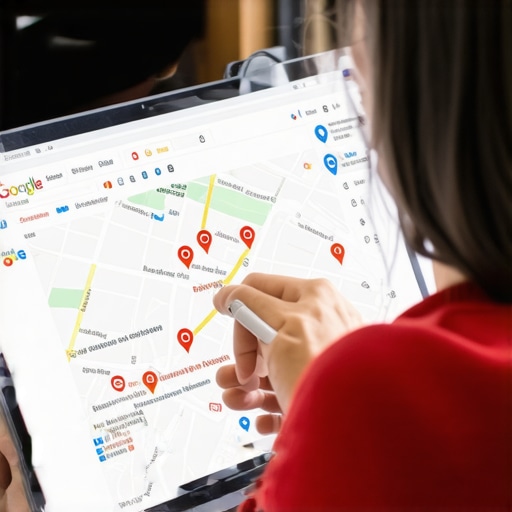 Many business owners believe that merely claiming their Google My Business (GMB) listing or installing a few SEO plugins will instantly skyrocket their local search visibility. While these are foundational steps, the real nuances behind effective local SEO often go unnoticed. Let’s dig deeper into common misconceptions and advanced pitfalls that can hinder your Google Maps rankings.
One prevalent myth is that more keywords in your GMB profile automatically lead to better rankings. It’s tempting to stuff your profile with all possible keywords, but Google penalizes keyword stuffing and overly optimized content. Instead, focus on high-quality, relevant information that naturally incorporates your target keywords. Google’s algorithm now prioritizes user experience and context, making genuine, helpful details far more impactful than keyword saturation.
Another trap is the overreliance on traditional backlinks for local SEO. Many assume that backlinks from high-authority sites boost their local maps rankings significantly. However, for local businesses, proximity, accurate NAP (Name, Address, Phone Number) data, and consistent profile information outweigh generic backlink strategies. According to Moz’s Local Search Ranking Factors, proximity and Google My Business signals weigh heavily—competitors often overlook these in favor of link-building, which is a mistake.
Why does focusing solely on GMB reviews sometimes backfire?
While reviews are essential, an overemphasis on quantity over quality can be misleading. Encouraging fake or overly incentivized reviews might temporarily boost your star ratings but can lead to penalties or account suspensions. Authentic, detailed reviews from genuine customers carry more weight and improve engagement. Furthermore, responding to reviews thoughtfully enhances your profile’s activity signal, positively influencing rankings. For a comprehensive understanding, review the latest GMB SEO strategies discussed here.
In the end, ignoring these nuanced aspects can lead to a false sense of security, making your efforts less effective. The big takeaway? Combine foundational optimizations with advanced tactics like leveraging powerful GMB tools and maintaining meticulous data consistency. This multi-layered approach will help you avoid common traps and genuinely improve your local map visibility.
Have you ever fallen into this trap? Let me know in the comments.
Maintaining Your Map Presence Over Time
Once you have optimized your GMB profile and corrected proximity errors, the next challenge is ensuring these improvements stick. Regular maintenance is crucial because small changes, like moving your storefront or updating service areas, can inadvertently affect your rankings. To stay ahead, I personally rely on a suite of specialized tools that automate monitoring and provide actionable insights. For instance, GMB-specific software helps me track fluctuations in rankings, reviews, and local search metrics, alerting me to any suspicious drops or inconsistencies that could hint at proximity errors creeping back in.
Another vital aspect is consistent data management. I use a dedicated citation management tool to audit my NAP consistency across directories. Consistency supports long-term visibility and builds trust with Google, reinforcing your local authority. Remember, even minor discrepancies in your business info can cause ranking dips—it’s like having a broken compass in uncharted territory. Therefore, verifying your NAP regularly with a tool like Moz’s local audit can prevent these issues before they escalate.
Scaling your efforts becomes easier when you incorporate automation. I recommend setting up scheduled audits and review solicitation campaigns using tools like advanced GMB tools. These help keep your profile primed for higher visibility, even as your business grows. Additionally, leveraging local SEO plugins for your website can help reinforce map signals and keyword relevance, boosting overall local search presence.
Predicting where local SEO tools are headed, I believe AI-driven analytics will become more integral. Future developments will likely automate detection of proximity errors and optimize your profile based on real-time local search trends, much like Google’s recent use of machine learning to refine rankings. Staying adaptable means embracing new tech early—so I suggest experimenting with emerging AI tools that analyze local map performance and recommend adjustments.
How do I maintain long-lasting visibility in local maps?
My top tip is to implement an ongoing monitoring routine, combining robust software with manual checks. Regularly visiting your GMB dashboard and cross-referencing with analytics from trusted platforms ensures your business stays accurately positioned. Consider setting up alerts for ranking drops or review surges; this proactive approach helps you fix issues before they damage your visibility significantly. For a more detailed strategy on scalable local SEO, check out this comprehensive guide.

The Hidden Lessons That Turned My Map Strategy Around
One of the most transformative insights I gained was realizing that consistent data accuracy outweighs even the most aggressive keyword tactics. It’s easy to get caught up in flashy strategies, but I learned that fixing small but crucial errors—like address typos or misplaced pins—can dramatically change your rankings. Additionally, I discovered that building authentic customer engagement, rather than relying solely on reviews, solidifies your local presence in a way algorithms favor but many overlook. Lastly, embracing continual monitoring with smart tools ensures that your map visibility remains resilient against shifting algorithms and local changes, making your efforts sustainable over time.
My Go-To Resources for Elevating Map Performance
For anyone serious about local SEO, I highly recommend exploring tools like GMB-specific analytics tools. They help me identify hidden proximity issues and optimize my profile effectively. Additionally, diving into comprehensive guides such as this in-depth resource provided me with the latest tactics that are proven to work in today’s competitive landscape. Lastly, aligning your strategy with recent case studies available on local SEO trends hub keeps my approach fresh and actionable.
Take Action to Dominate Your Local Area
Now it’s your turn to implement these lessons and elevate your local map presence. Remember, the key is consistency and leveraging the right tools to stay ahead of the competition. Don’t hesitate—your future customers are searching right now, and with smart strategy, you can be the first they find. Keep learning, testing, and refining your approach, and watch your visibility soar. What’s the first step you’re planning to take today? Share your thoughts below and let’s grow together.